
Every book of the Bible was written by a particular person to particular people in a particular situation, and its meaning is anchored there before it reaches you. Establishing who wrote it, to whom, and why is what keeps verses from turning into motivational quotes. Reading the book background first is the habit that makes the difference.
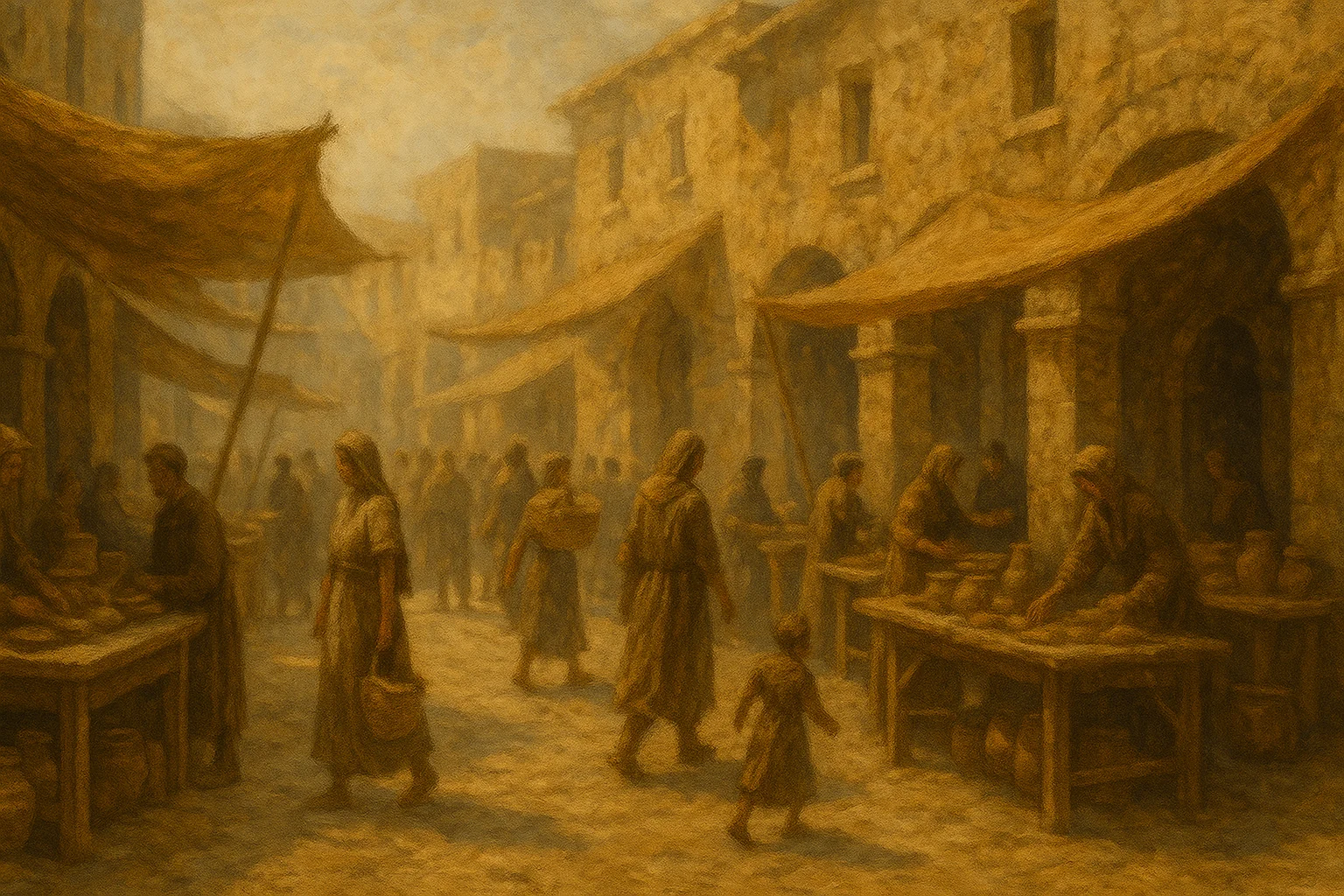
Most of Scripture was written by someone to someone else before it was written for us. Forget that, and verses start sounding like motivational quotes instead of part of a living story. The Bible was spoken into real places: empires, exiles, house churches, deserts. Every word carried weight in those worlds.
The importance of context
God has always spoken into context. When He sent His Word through prophets and apostles, it came to real people living real stories. The law was given to a people freshly freed from slavery. The letters were written to small churches learning to follow Jesus in a world that didn't understand them. Even when Paul wrote to different churches, he used different analogies and metaphors to communicate the same truth, because each audience lived in its own geography and culture. Seeing this doesn't make the Bible distant. It draws us closer to what God was doing then, and what He's still doing now.
How to practice this in Protos
When you start a new book, take a moment to explore its background: who wrote it, why, and to whom. You'll find this in the Book Background section, accessible by tapping the book icon at the top of the Bible screen, or by swiping to the commentary on chapter 1 of that book. It helps you understand the setting and authorship that frame the story.
Once you've seen that, simply read. Let the passage speak first. Wrestle with the text, ask questions, and let those questions guide your curiosity. As you go, return to the Book Background, or swipe right from the Bible to access commentary, whenever something puzzles or stirs your interest. Context isn't the starting line. It's the lens that helps you see more clearly as you walk.
As you read, the guided notes will help you consider questions like:
- What's happening around this verse?
- What truth is being revealed here?
- What does this show you about God and His ways?
You don't have to know everything. Just stay curious.
Over time, you'll see that reading with context isn't an academic step. It's an act of reverence. It honors how God chose to speak to us through time, people, and place.
Now that you know how to read with context, the next step is learning to slow down and let the Word search you. In Reflective Reading, you'll practice attentive, prayerful reading that moves truth from understanding to transformation.
Terms in this article
Every passage each one appears in, with the definition attributed to its source.
Keep reading
Hermeneutics
Why Bible Context Matters
A verse means one thing and applies many ways. What "our citizenship is in heaven" meant to a Roman colony, and why context is not optional.

Hermeneutics
Common Interpretive Errors
Proof-texting, allegorizing, over-applied promises, and flattening narrative into a moral. The errors that ruin teaching before anyone speaks.

Hermeneutics
Word Studies Done Right
The dunamis-means-dynamite claim is wrong, and so is agape versus philia. How to run a Greek word study that holds up.


