Curated topic guide
What does the Bible say about justice, mercy, and the vulnerable?
Biblical justice is rooted in God's character and the equal dignity of people made in his image. Jesus condemns precise religion that neglects justice, mercy, and faithfulness. Neighbor-love crosses social boundaries and becomes concrete in truthful judgment, impartial treatment, generosity, protection, and care for people with less power.
Key passages
- Micah 6:8
- Matthew 23:23
- Luke 4:16-21
- Luke 10:25-37
- James 2:1-17
What Christians broadly share
Christians broadly agree that personal holiness and public righteousness belong together, that partiality is sin, and that mercy must become action. Gospel proclamation and care for bodily, social, and economic need should not be made rivals.
Where careful distinctions matter
Modern political programs must not be treated as though they map perfectly onto the biblical vocabulary. Applications should be argued from texts and facts rather than attached to Scripture by slogan or party loyalty.
Read these next
These resources explain the passages and the interpretive decisions behind this guide.
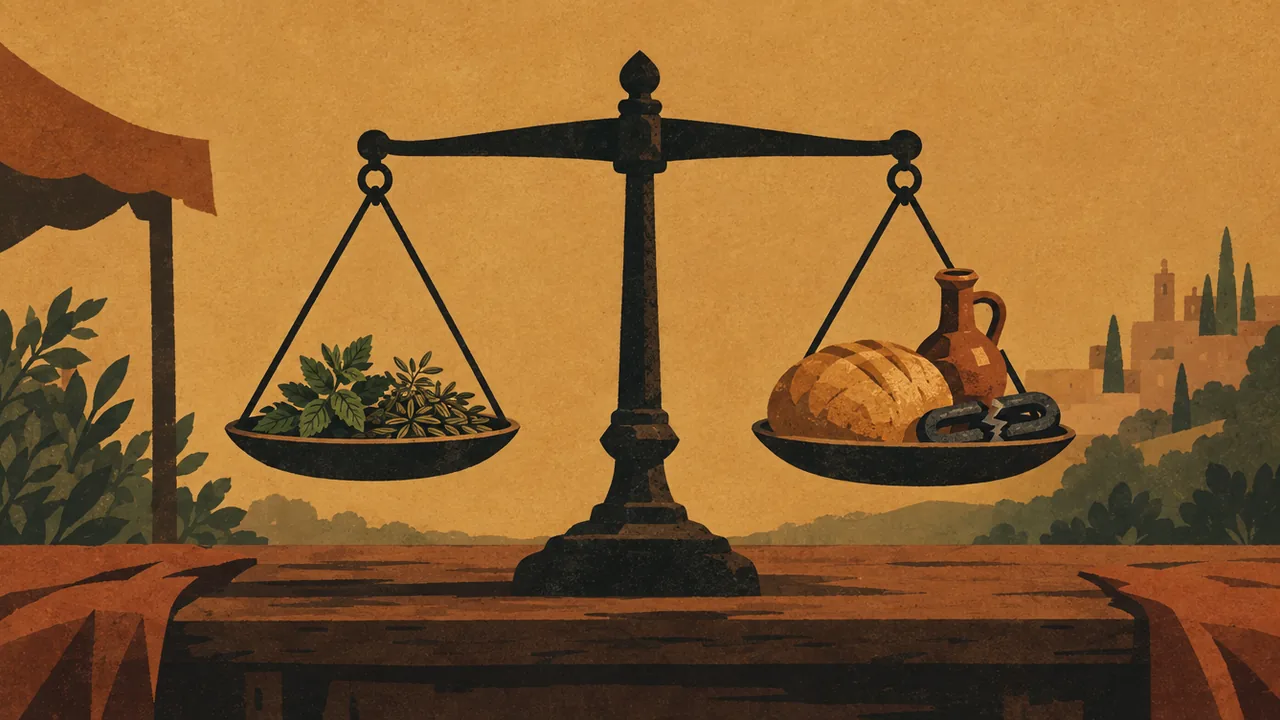
Resource 1
Justice, Mercy, and Faithfulness
Jesus calls justice, mercy, and faithfulness weightier matters that precise religious practice must never displace.

Resource 2
Love God and Your Neighbor
Jesus says love for God and neighbor holds the law together, without turning either command into a vague feeling.

Resource 3
Money and Possessions
Jesus treats money as a question of allegiance, generosity, and trust, while Matthew 23:23 requires careful covenant context.
Resource 4
Made in His Image
Why the image of God includes the body, what sin did to it, and what the doctrine demands of how we treat people who cannot contribute anything.


