Kings of Israel and Judah on one timeline
Follow the kings of Israel and Judah, meet the prophets who spoke to them, and keep a printable guide for your Bible study.

Who ruled when?
Compare the rulers of Israel and Judah year by year.
Israel
Northern kingdomJudah
Southern kingdomKey moments
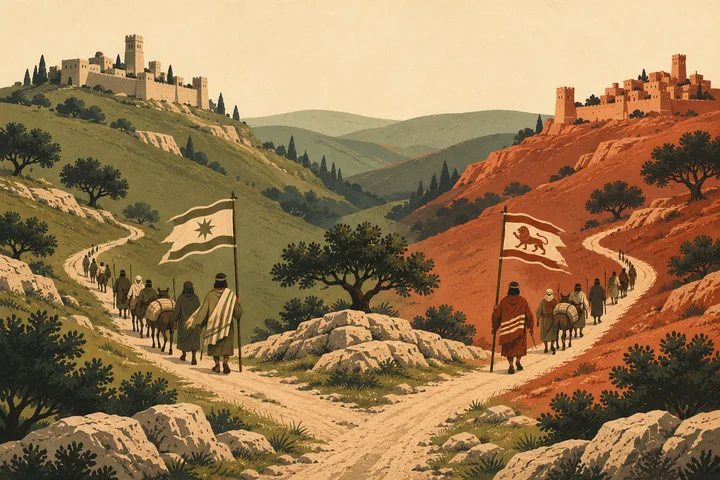
The kingdoms divide
The northern tribes reject Rehoboam and make Jeroboam their king. From here, Israel and Judah follow separate lines of rulers.
Timeline paused at approximately 922 BC.
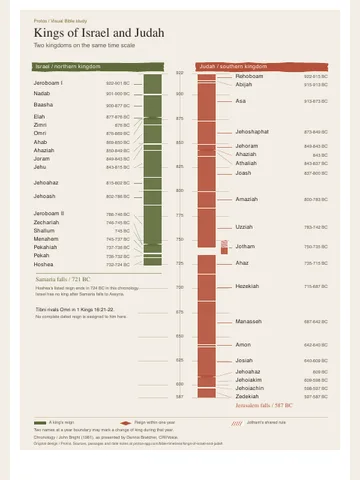
The complete kings timeline
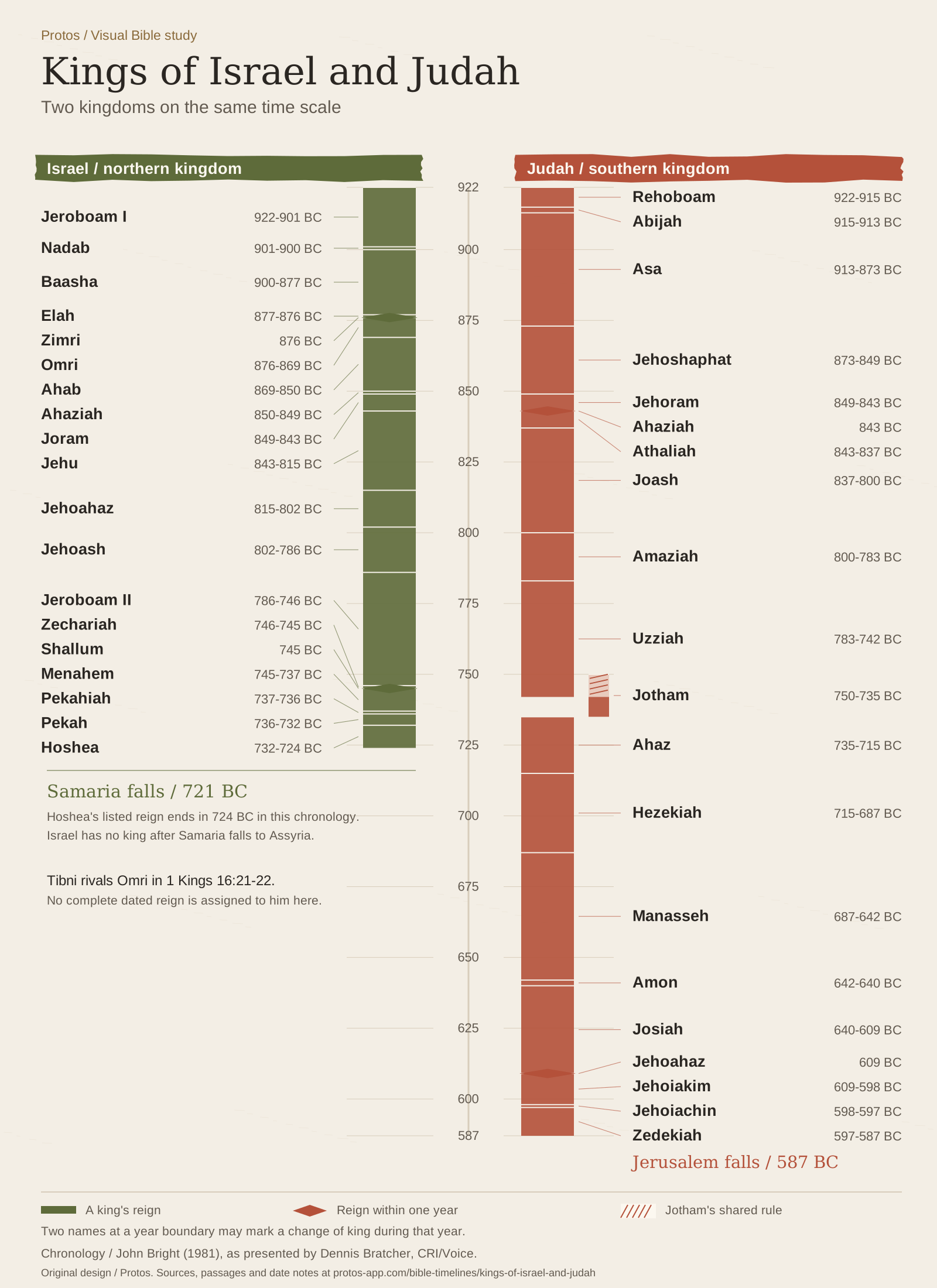
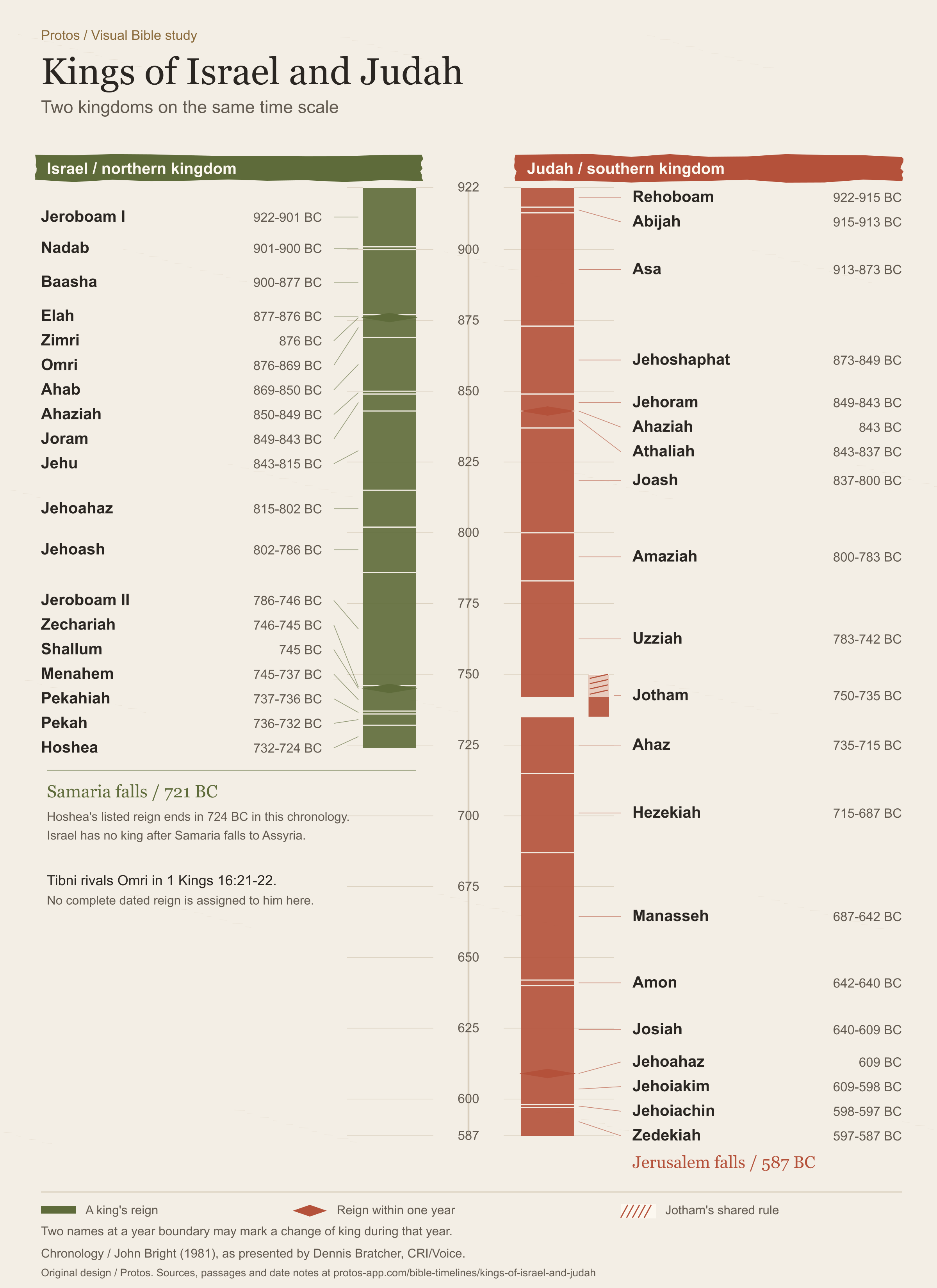
See all the reigns together. Open the full-size image to look closer.
Meet the kings of Israel and Judah
Some kings were faithful in one part of life and failed in another. Read the passages for the whole story.
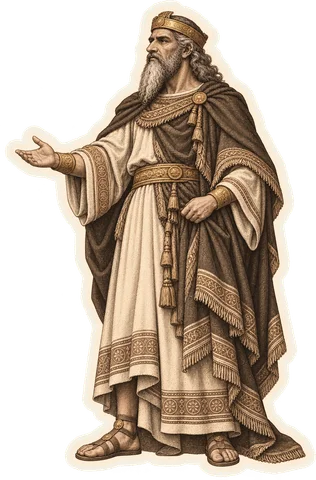
Jeroboam I
Israel · 922-901 BCEstablished the calf shrines and led Israel into sin.
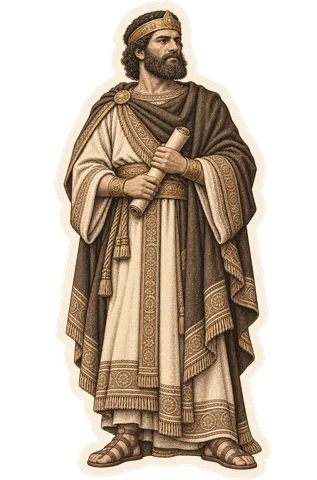
Nadab
Israel · 901-900 BCFollowed his father's way and the sin he caused Israel to commit.
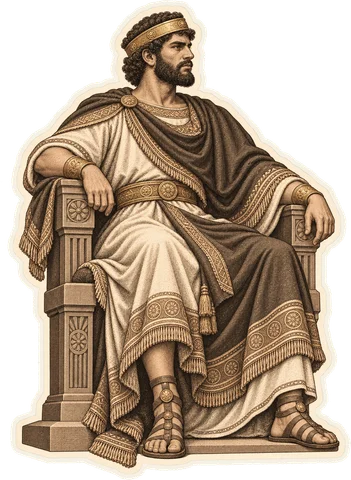
Baasha
Israel · 900-877 BCFollowed Jeroboam's way and led Israel into sin.
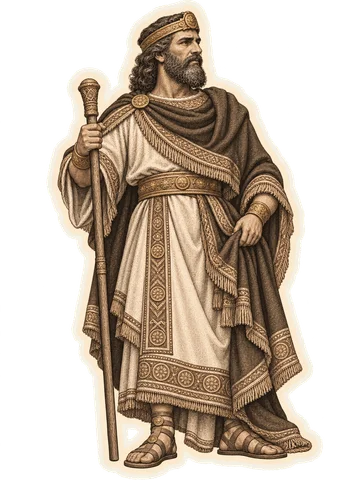
Elah
Israel · 877-876 BCThe account condemns his sins and those of Baasha.
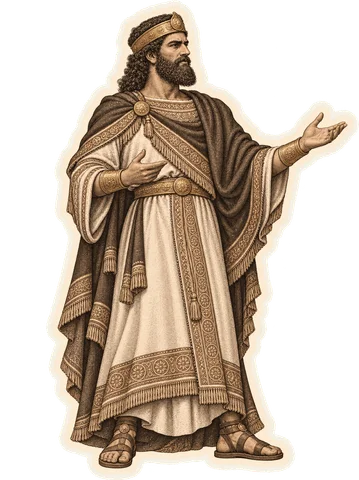
Zimri
Israel · 876 BCThe account connects his downfall with doing evil and following Jeroboam's way.
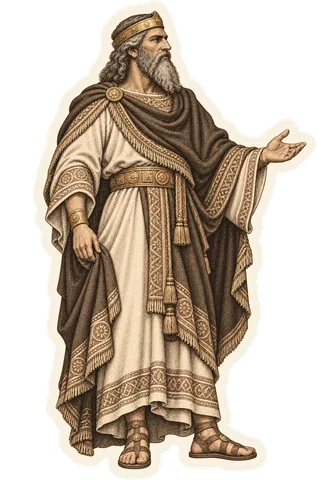
Omri
Israel · 876-869 BCDid more evil than those before him and followed Jeroboam's way.
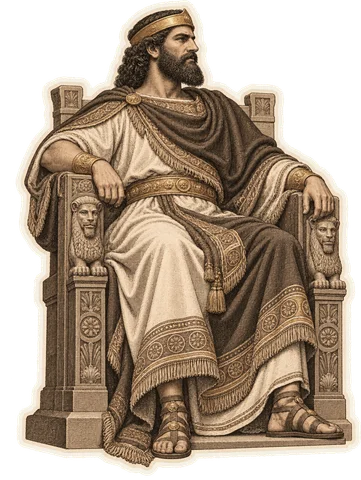
Ahab
Israel · 869-850 BCServed Baal and provoked the LORD beyond earlier kings.
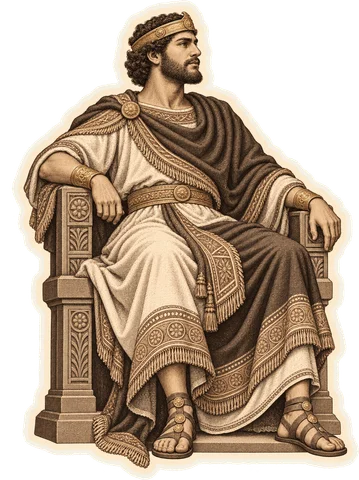
Ahaziah
Israel · 850-849 BCFollowed his parents' way and served Baal.
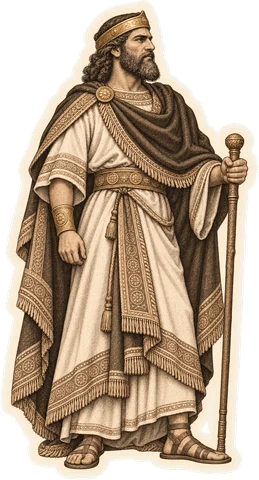
Joram
Israel · 849-843 BC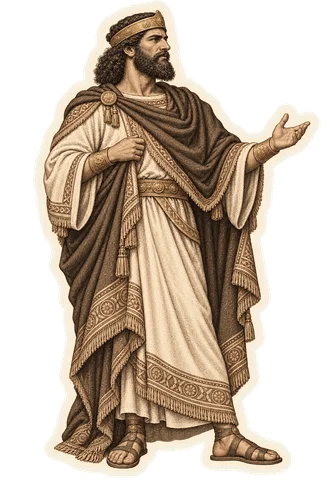
Jehu
Israel · 843-815 BCCommended for judgment on Ahab's house, yet retained the calf worship and did not follow the law wholeheartedly.
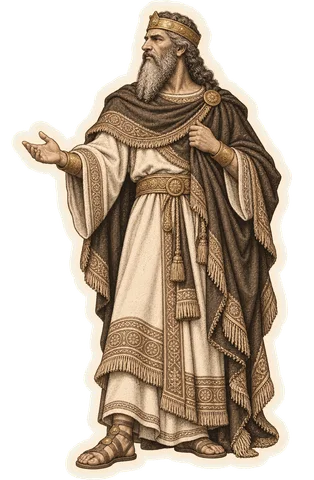
Jehoahaz
Israel · 815-802 BCPersisted in the sins associated with Jeroboam.
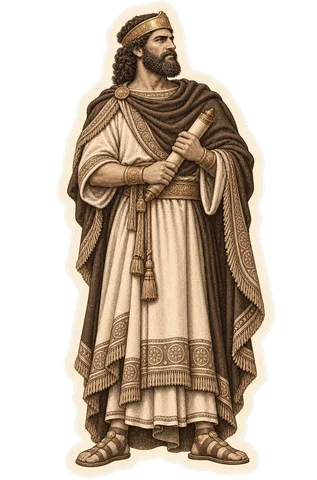
Jehoash
Israel · 802-786 BC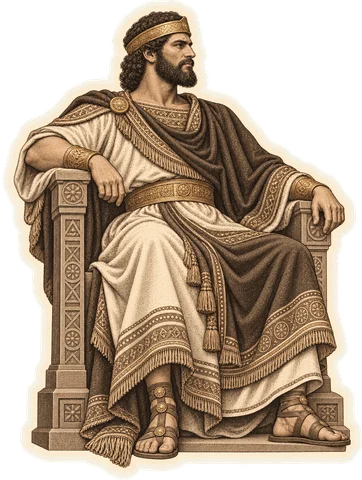
Jeroboam II
Israel · 786-746 BCDid not turn away from Jeroboam's sins, despite the restoration of Israel's border.
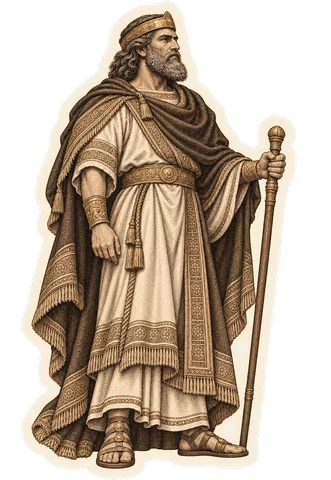
Zechariah
Israel · 746-745 BCFollowed his fathers' sins and did not turn from Jeroboam's way.
Spelled Zachariah in the date source
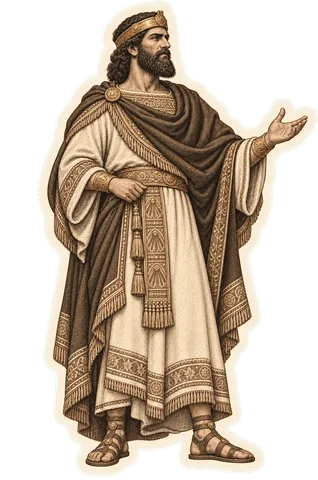
Shallum
Israel · 745 BCKings records a conspiracy and a one-month reign, without the usual did-right or did-evil summary.
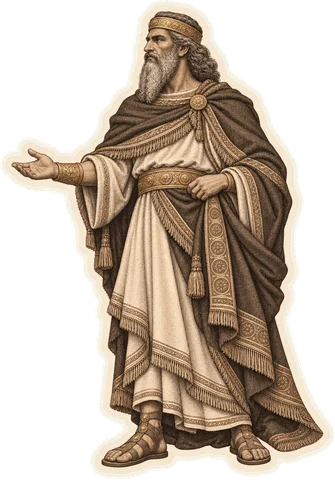
Menahem
Israel · 745-737 BCDid not turn from Jeroboam's sins; the account also records his violence.
Pekahiah
Israel · 737-736 BCDid not turn away from the sins associated with Jeroboam.
Pekah
Israel · 736-732 BCDid not turn away from the sins associated with Jeroboam.
Hoshea
Israel · 732-724 BCDid evil, though the account distinguishes him from the kings before him.
Rehoboam
Judah · 922-915 BCChronicles says he did evil because he did not set his heart to seek the LORD.
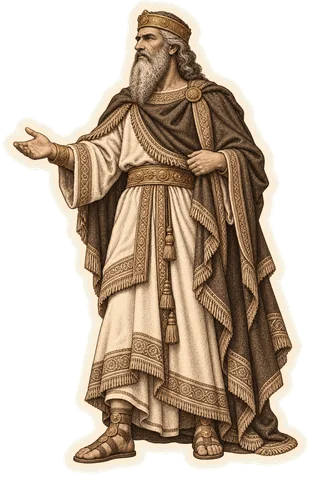
Abijah
Judah · 915-913 BCKings describes him as walking in his father's sins and not fully devoted to the LORD.
Called Abijam in Kings
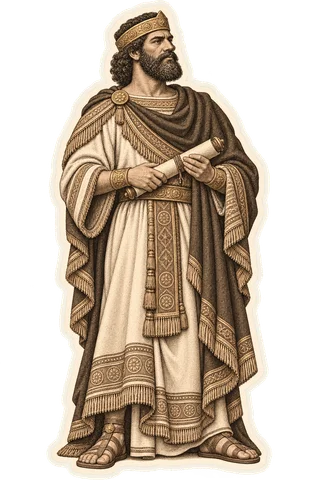
Asa
Judah · 913-873 BCKings says he did right and remained devoted, while noting the remaining high places. Chronicles also records later failures.
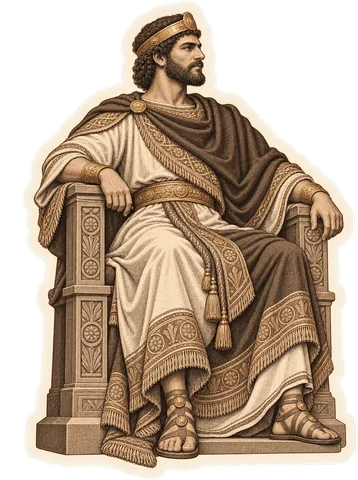
Jehoshaphat
Judah · 873-849 BCDid right like Asa, though the high places remained. Chronicles also rebukes his alliance with Ahab.
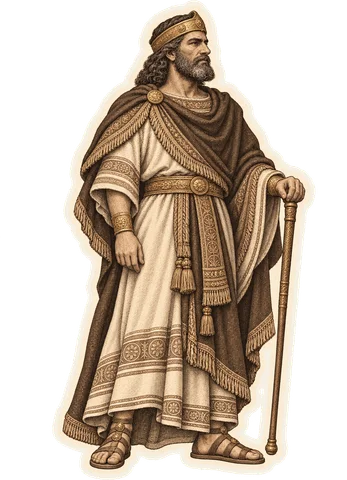
Jehoram
Judah · 849-843 BC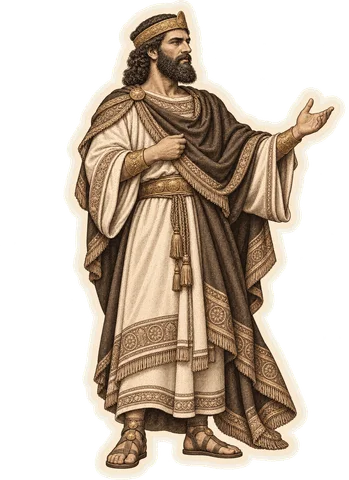
Ahaziah
Judah · 843 BCFollowed Ahab's house and did evil.
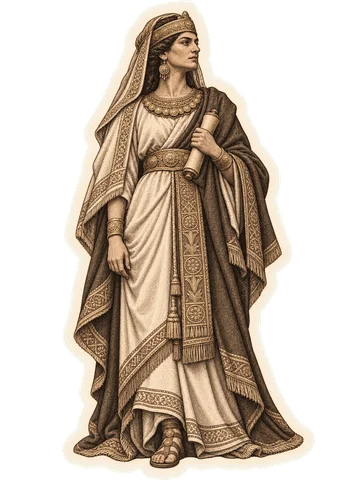
Athaliah
Judah · 843-837 BCSeized power by killing members of the royal family. Read the account of her rule and downfall.
Queen who seized the throne
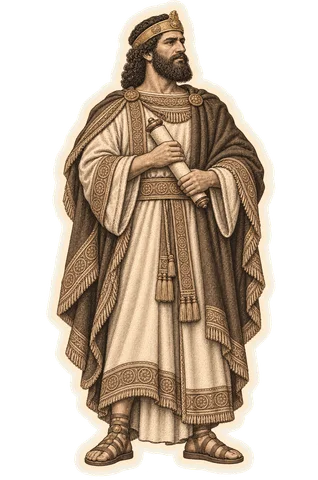
Joash
Judah · 837-800 BCDid right while instructed by Jehoiada. Chronicles records later idolatry and the killing of Zechariah.
Also called Jehoash
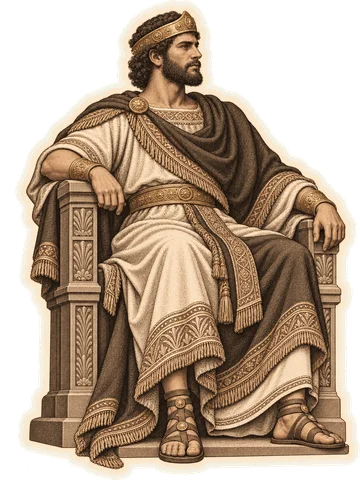
Amaziah
Judah · 800-783 BCDid right, but not wholeheartedly. Chronicles later records his worship of Edomite gods.
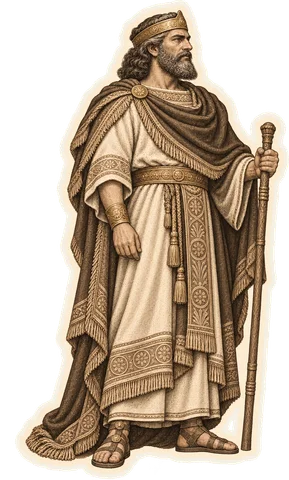
Uzziah
Judah · 783-742 BCKings says he did right. Chronicles records pride and unfaithfulness in entering the temple to burn incense.
Also called Azariah
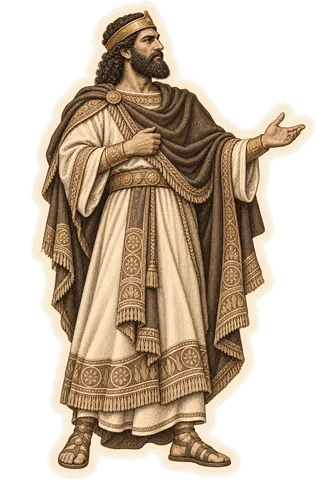
Jotham
Judah · 750-735 BCDid right as Uzziah had done, though the high places remained.
Shared rule 750-742 BC; sole rule 742-735 BC
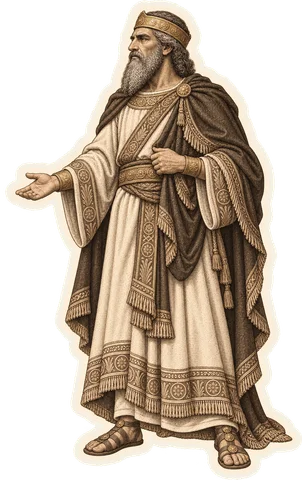
Ahaz
Judah · 735-715 BCDid not do right, followed Israel's kings and practiced detestable worship.
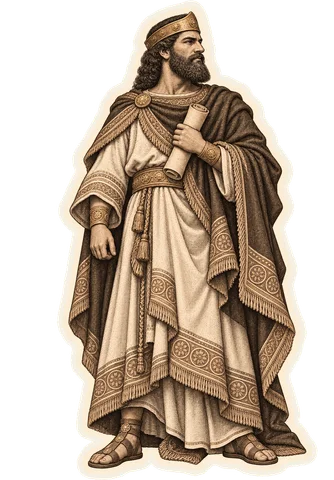
Hezekiah
Judah · 715-687 BCDid right, removed corrupt worship and trusted the LORD.
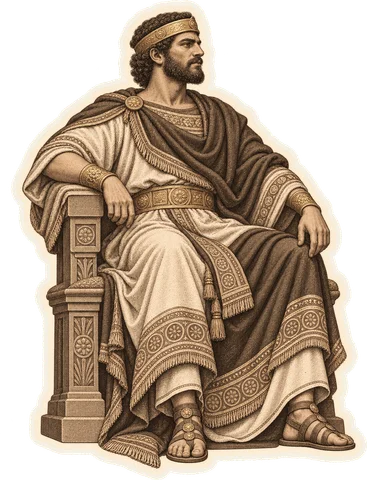
Manasseh
Judah · 687-642 BCKings records extensive evil. Chronicles also records his later humiliation, repentance and reforms.
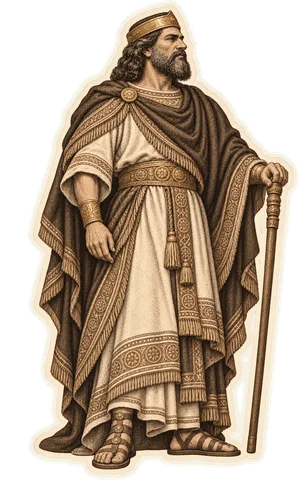
Amon
Judah · 642-640 BCFollowed Manasseh's idolatry and forsook the LORD.
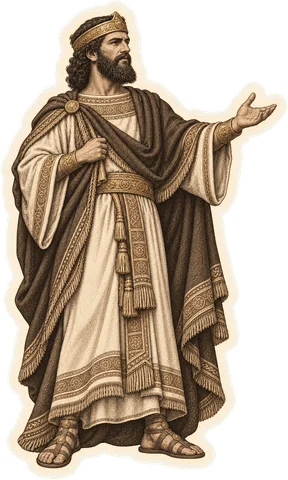
Josiah
Judah · 640-609 BCDid right and did not turn aside from David's way.
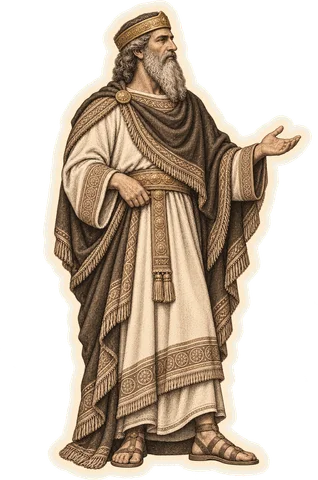
Jehoahaz
Judah · 609 BCDid evil like his fathers.
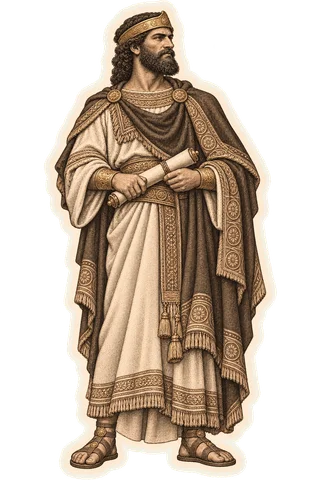
Jehoiakim
Judah · 609-598 BC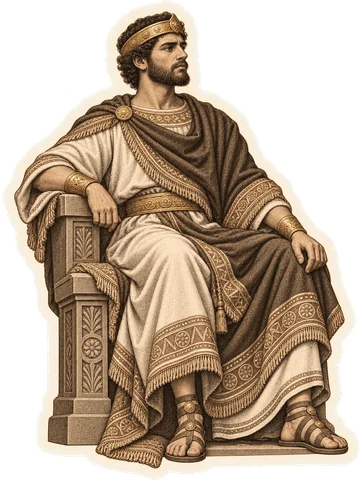
Jehoiachin
Judah · 598-597 BC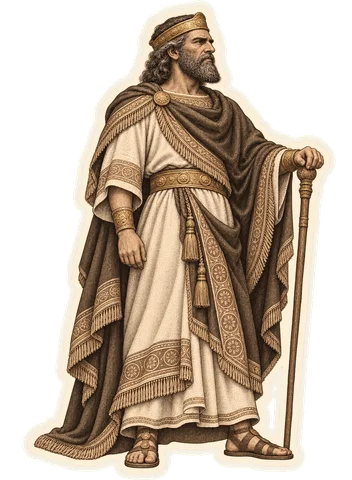
Zedekiah
Judah · 597-587 BCWhich prophets spoke to these kings?
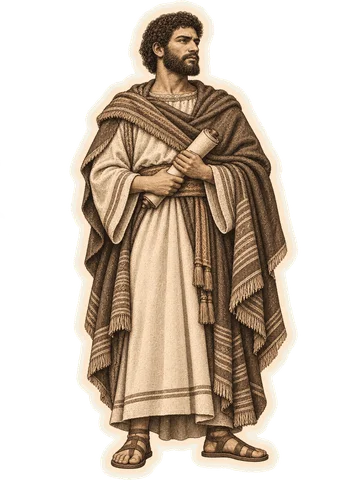
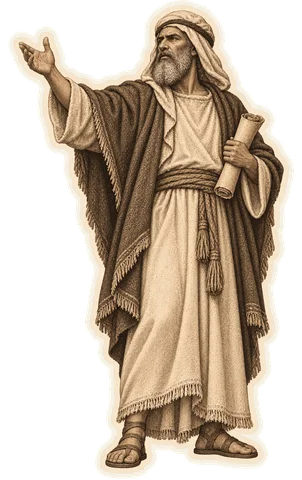
Ahijah
IsraelAhijah is consulted during Jeroboam I's reign.
Kings named in these passages
- Jeroboam I of Israel (922-901 BC)
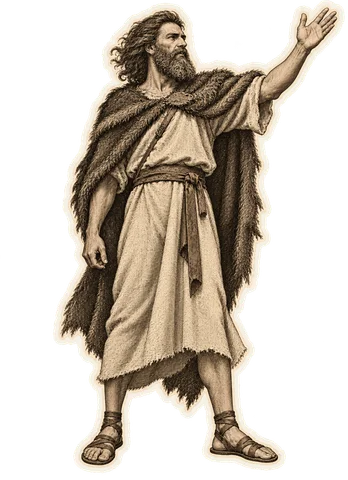
Shemaiah
JudahDelivers a word against civil war during Rehoboam's reign.
Kings named in these passages
- Rehoboam of Judah (922-915 BC)
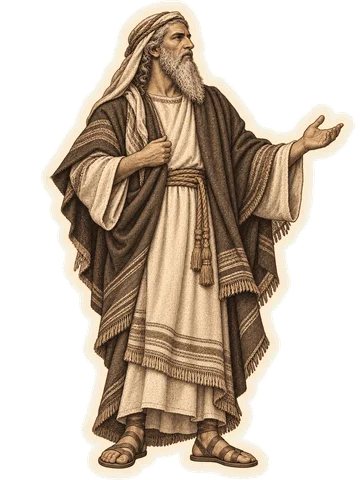
Elijah
IsraelThese accounts place Elijah before Ahab and Ahaziah of Israel.
Kings named in these passages
- Ahab of Israel (869-850 BC)
- Ahaziah of Israel (850-849 BC)
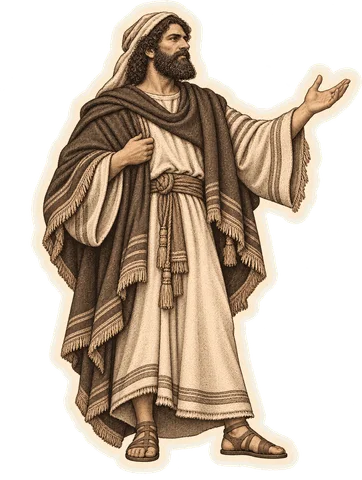
Elisha
IsraelThe cited scenes place him with Joram and, later, Jehoash of Israel. Separate blocks do not imply a break in his ministry.
Kings named in these passages
- Joram of Israel (849-843 BC)
- Jehoash of Israel (802-786 BC)
Micaiah
IsraelMicaiah son of Imlah confronts Ahab. He is distinct from Micah the book's prophet.
Kings named in these passages
- Ahab of Israel (869-850 BC)
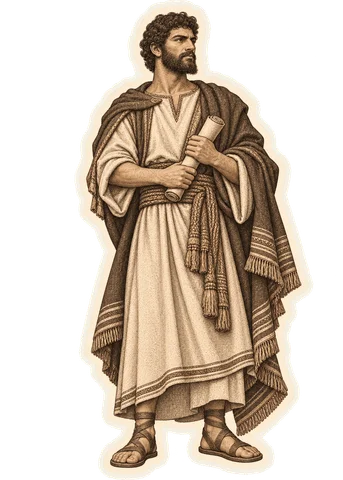
Jehu son of Hanani
Israel and JudahThis prophet is distinct from King Jehu. The scenes name Baasha and Jehoshaphat.
Kings named in these passages
- Baasha of Israel (900-877 BC)
- Jehoshaphat of Judah (873-849 BC)
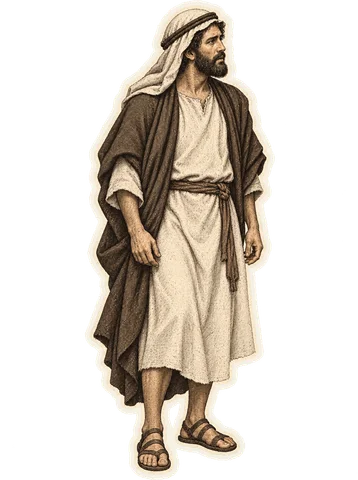
Jonah
IsraelJonah son of Amittai is named in the account of Jeroboam II. This dates a narrative context, not the writing of the book of Jonah.
Kings named in these passages
- Jeroboam II of Israel (786-746 BC)
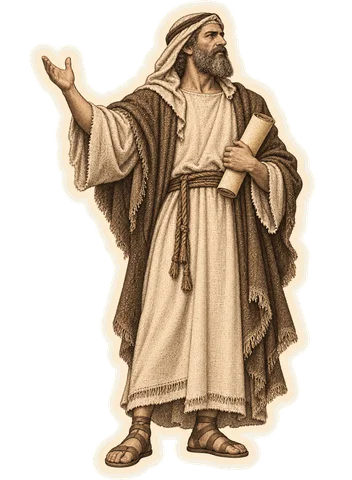
Amos
Judah and IsraelThe heading names Uzziah and Jeroboam II, two years before an earthquake. Whole reigns are shown only as context.
Kings named in these passages
- Uzziah of Judah (783-742 BC)
- Jeroboam II of Israel (786-746 BC)
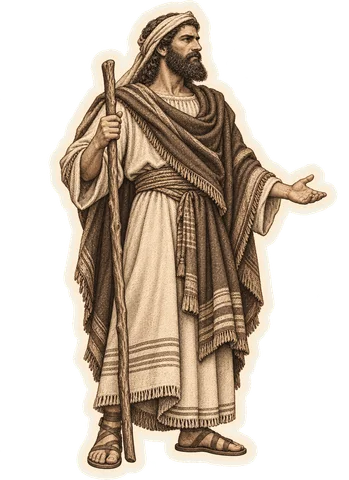
Hosea
Judah and IsraelThe heading names these five kings. It does not say Hosea ministered through every year of each reign.
Kings named in these passages
- Uzziah of Judah (783-742 BC)
- Jotham of Judah (750-735 BC)
- Ahaz of Judah (735-715 BC)
- Hezekiah of Judah (715-687 BC)
- Jeroboam II of Israel (786-746 BC)
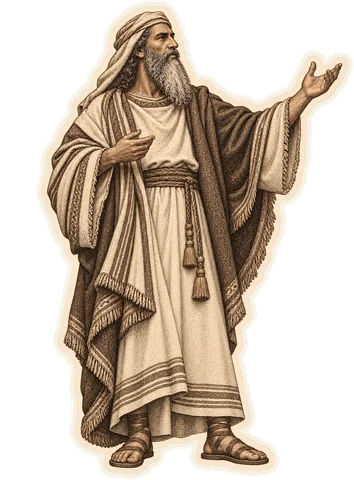
Isaiah
JudahThe heading places Isaiah son of Amoz in these reigns. It does not settle the composition history of the whole book.
Kings named in these passages
- Uzziah of Judah (783-742 BC)
- Jotham of Judah (750-735 BC)
- Ahaz of Judah (735-715 BC)
- Hezekiah of Judah (715-687 BC)
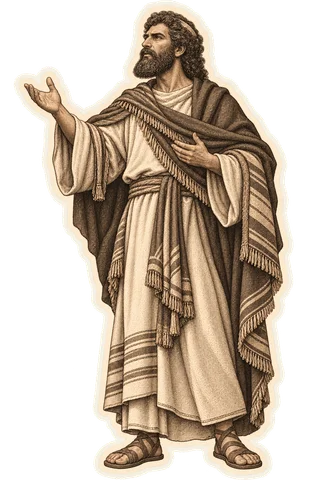
Micah
JudahThe heading names Jotham, Ahaz and Hezekiah. Distinct from Micaiah son of Imlah.
Kings named in these passages
- Jotham of Judah (750-735 BC)
- Ahaz of Judah (735-715 BC)
- Hezekiah of Judah (715-687 BC)
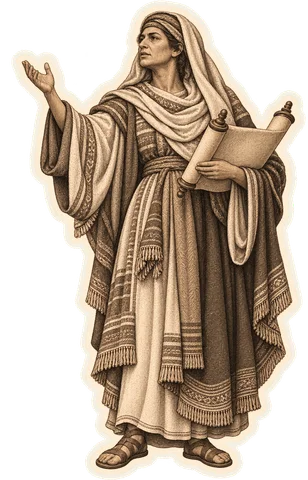
Huldah
JudahThe prophetess is consulted after the law book is found during Josiah's reign.
Kings named in these passages
- Josiah of Judah (640-609 BC)
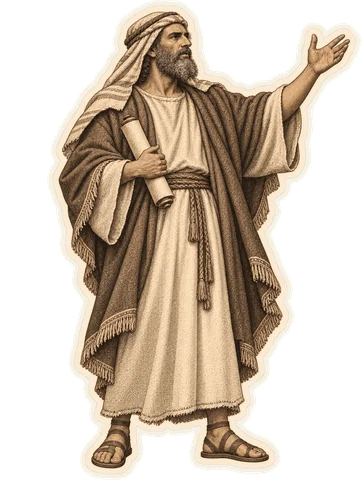
Zephaniah
Judah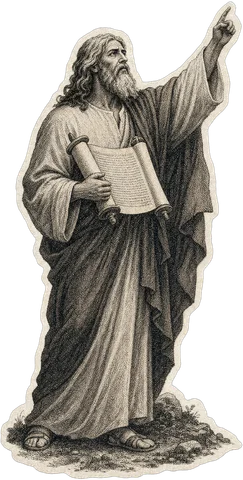
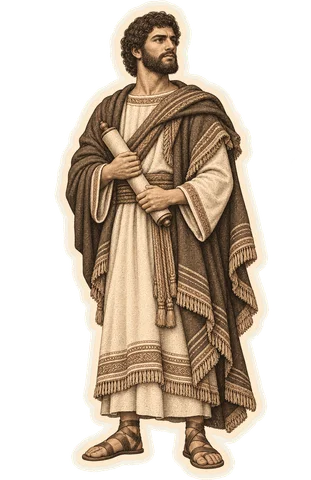
Jeremiah
JudahThe heading names Josiah, Jehoiakim and Zedekiah. The narrative continues beyond Jerusalem's fall.
Kings named in these passages
- Josiah of Judah (640-609 BC)
- Jehoiakim of Judah (609-598 BC)
- Zedekiah of Judah (597-587 BC)
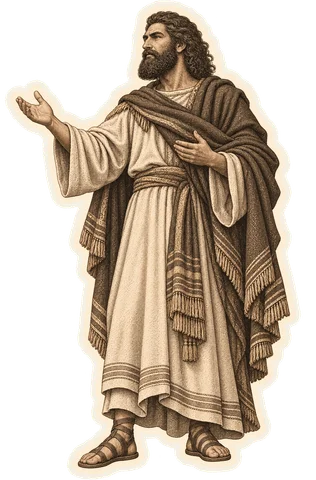
Daniel
JudahThe opening scene names Jehoiakim. Daniel's story continues into exile and beyond this chart. This is not a date for the book's composition.
Kings named in these passages
- Jehoiakim of Judah (609-598 BC)
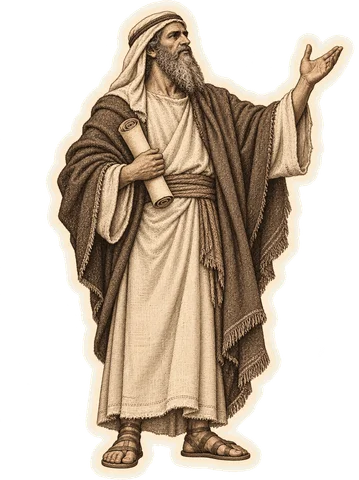
Ezekiel
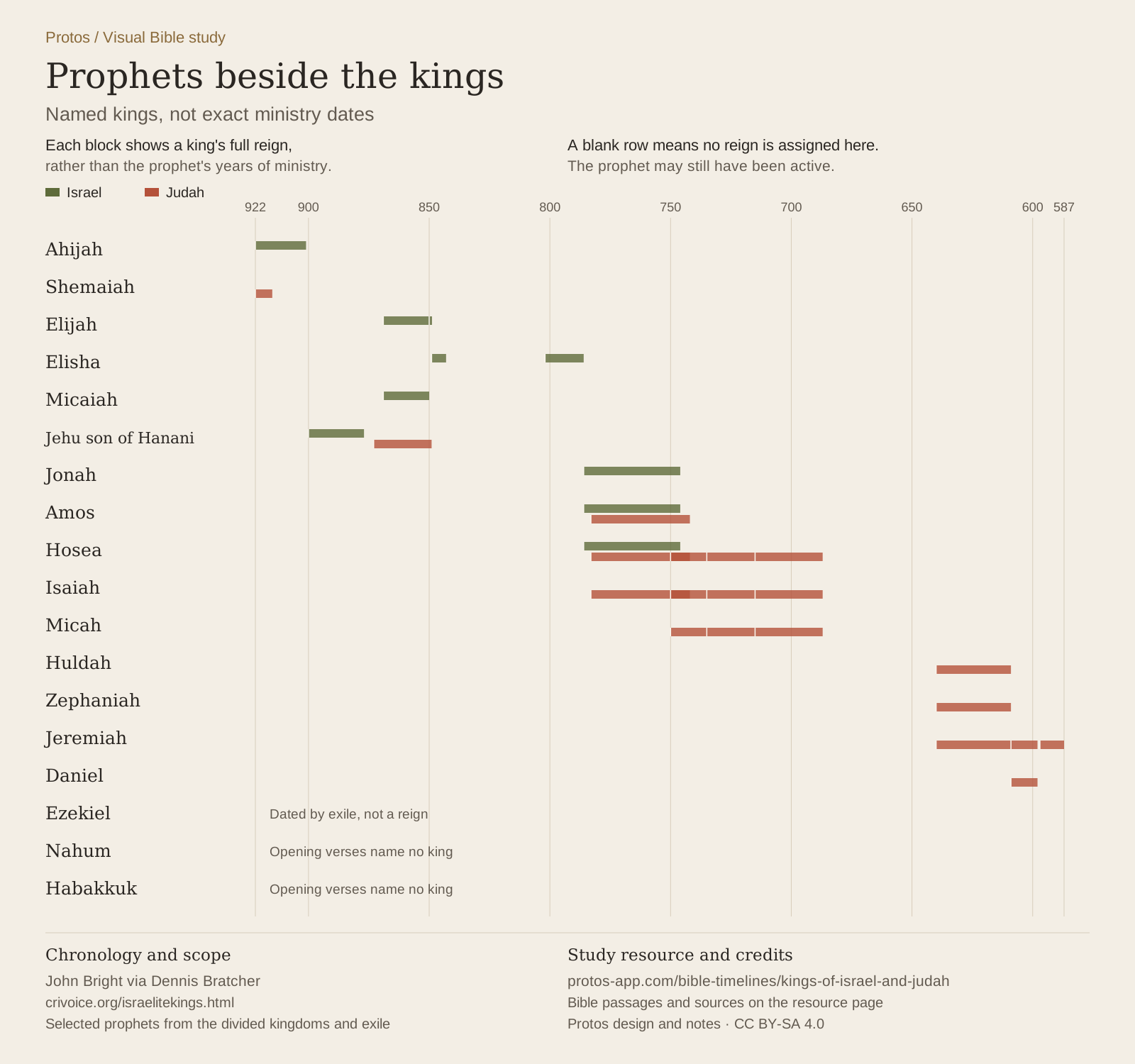
During the exileThe opening dates his visions by Jehoiachin's exile, not his reign. No reign-length ministry bar is invented here.
Nahum
No king named in the opening versesThe heading names the prophet and Nineveh, without a king. Not assigned a reign bar.
Habakkuk
No king named in the opening versesThe book mentions the Chaldeans but its heading names no king. Not assigned a reign bar.
Compare the prophets on a chart
Keep a copy for your Bible study
Print a chart or take the illustrated lists to your group. All four PDFs are free, with no signup.
 PDF
Kings timeline poster
All 39 rulers on one chart
Download PDF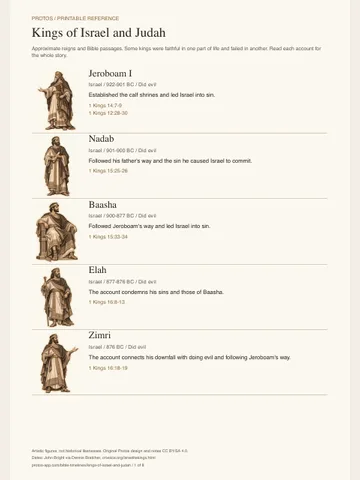 PDF
Illustrated kings list
Reigns, Bible passages and illustrations
Download PDF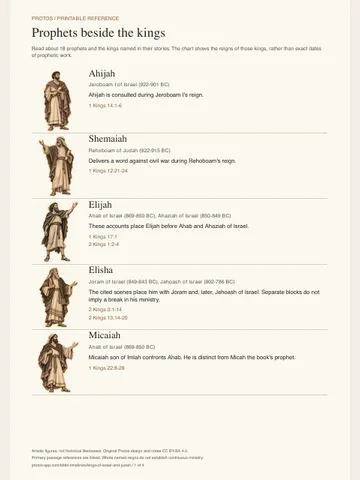 PDF
Illustrated prophet list
18 prophets and their Bible passages
Download PDF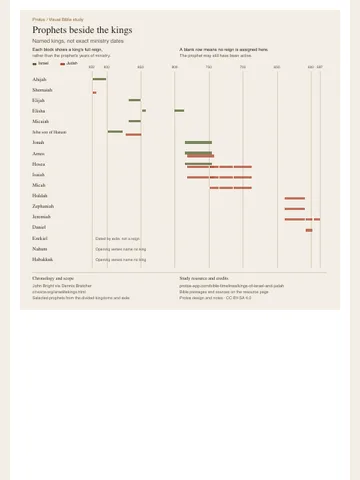 PDF
Prophets beside the kings
The kings named in each prophet's story
Download PDFUse the visuals in your own study
Print an image or share the short video. You can resize the SVG charts without losing sharpness or adjust their layouts in a design app. Keep the source credits with your copy.
Kings timeline chart
Compare the reigns of Israel and Judah on one chart
Download SVGKings chart image
A full-size image for a screen or handout
Download PNGTimeline video
A 28-second visual guide
Download MP4Prophets and kings chart
Compare the kings named in each passage
Download SVGAbout the dates and sources
The dates follow Dennis Bratcher's chart, based on John Bright's A History of Israel (1981). Other chronologies differ. Hatching marks Jotham's documented shared rule. Tibni appears as a rival claimant without a dated reign.
Read the commentary on 1 Kings and 2 Kings, or use the study guides for 1 Kings and 2 Kings.
Original design, animation and notes by Protos, licensed CC BY-SA 4.0.
Frequently asked questions
How many kings and rulers did Israel and Judah have?
After the kingdom divided, this chronology lists 19 kings of Israel and 20 rulers of Judah: 19 kings and Queen Athaliah. It counts named reigns and treats Tibni separately as a rival claimant. Saul, David and Solomon ruled before the split.
How many prophets did Israel and Judah have?
The Bible gives no single total for the two kingdoms. It names individual prophets and also describes groups whose members are unnamed, as in 1 Kings 18:4 and 2 Kings 2:7. This guide profiles 18 selected prophets from the divided kingdoms and the exile.
Why might the dates differ from another chart?
The date source follows John Bright's chronology. Historians differ on when some reigns began and how to count years when kings shared rule. For example, Tyndale Open Study Notes on 1 Kings 12:1 dates Rehoboam's accession to 931 BC, while this source uses 922 BC. The chart keeps one basis throughout rather than mixing dates from different schemes.
Does a shared year mean two rulers governed together?
Not necessarily. Dates shown only to the year can include a succession during that year. Jotham's explicitly identified shared rule with Uzziah is marked separately with hatching. The animation is a year-level guide, not a reconstruction of exact accession months.
Why is there a gap after Hoshea?
The chosen source ends Hoshea's reign in 724 BC and places Samaria's fall in 721 BC. The chart preserves that gap rather than supplying an unlisted ruler or extending his reign without a source.
Can a church download or adapt the visuals?
Yes. The original Protos visual design and annotations are licensed CC BY-SA 4.0. Keep the chronology and source credits, identify changes, and share adaptations under that license. Referenced source articles retain their own rights. No account, email address or purchase is needed to download.