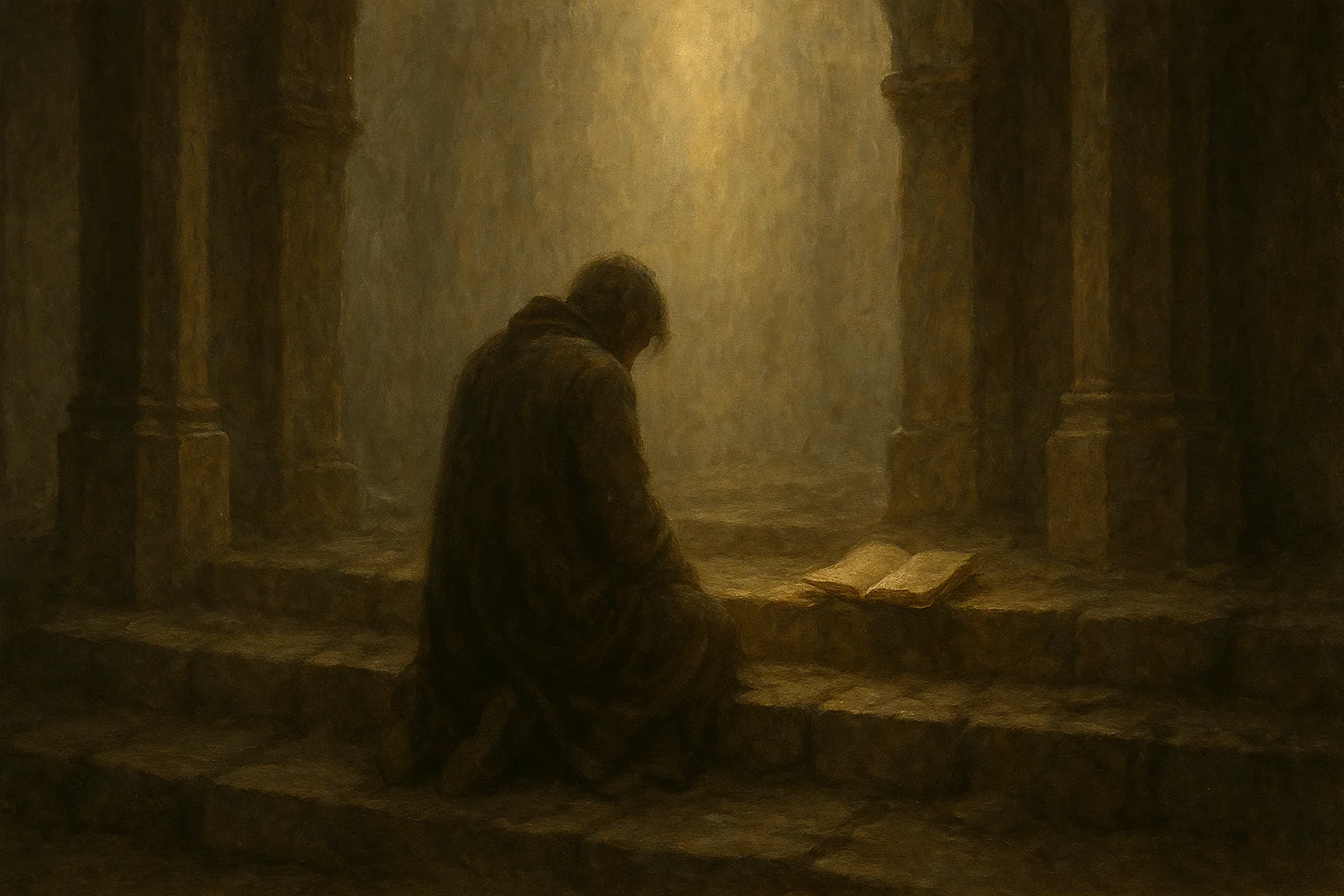
Reading Scripture begins with learning what it says, but reflection is where the Word begins to read you. Hebrews 4:12 describes something living and active that discerns the thoughts and intentions of the heart, which is not a threat but a description. Reflection is not collecting insights or writing tidy notes; it is where theology turns into prayer.
From learning to being known
At first, we come to Scripture to learn, to understand what it says and what it means. But as you slow down and reflect, something deeper happens. The Holy Spirit begins to use the Word to reveal what’s in your heart. What started as learning becomes listening, and what began as study becomes transformation.
The living Word searches the heart
Hebrews 4:12 says, "The word of God is living and active, sharper than any two-edged sword… discerning the thoughts and intentions of the heart." The author isn’t warning about a harsh blade, he’s describing the mercy of a God who cuts only to heal, who knows us fully and still chooses to speak. When you reflect on what you’ve read, you’re standing open before the living God who sees you as you are and still invites you closer.
Reflection is formation
Reflection isn't about collecting insights or crafting perfect notes. It's where truth becomes personal, where theology turns into prayer. It's the quiet space where conviction, comfort, or courage rise out of the same verse you thought you understood a moment ago.
How to practice this in Protos
After you’ve written what you’ve observed and understood whether using the guided notes or the freeform notes, pause before the last step, "How does this speak to you today?" Don’t rush to finish. This isn’t the end of study, it’s the doorway to transformation. Ask honestly:
- • What truth here unsettles or strengthens me?
- • What response is God inviting me into, confession, gratitude, obedience or something else?
- • Are there any parts of my heart that resist what He's saying?
As you write, don’t rush. Reflection in Protos isn’t about performance, it’s about posture. Each note becomes a quiet altar where you meet God again, not as a student proving comprehension, but as a disciple learning surrender. Over time, reflection turns reading into relationship, where every word doesn’t just inform you, but forms you.
But reflection isn’t the end of the journey, it’s the point of turning. What God reveals in reflection is meant to be walked out in life. The Word that searches you also sends you. As James reminds us:
As you rise from reflection, carry what you’ve heard into your day. That’s where truth becomes obedience, and faith becomes life.
In Carrying the Word, you’ll see how to turn reflection into daily practice, letting Scripture move from page to path.
Terms in this article
Every passage each one appears in, with the definition attributed to its source.
Keep reading
Reading the Bible
Are Proverbs Promises? Wisdom and Its Edges
A proverb is a reliable pattern, not a guarantee. How Proverbs, Job and Ecclesiastes argue with each other on purpose, and how to teach that faithfully.

Reading the Bible
What Does It Mean That Scripture Is God-Breathed?
2 Timothy 3:16 calls Scripture theopneustos, God-breathed. What that claims, what it does not, and why dual authorship strengthens confidence.

Reading the Bible
The Kingdom of God
Kingdom means reign, not territory. What already and not yet means in practice, and why the church is not the same thing as the kingdom.


