Reading the Bible
Practical guides on reading Scripture by genre, book by book, with the context the text deserves.
22 guides in this topic.
Are Proverbs Promises? Wisdom and Its Edges
A proverb is a reliable pattern, not a guarantee. How Proverbs, Job and Ecclesiastes argue with each other on purpose, and how to teach that faithfully.
6 min read

What Is the Old Testament About? The Story in Six Movements
Not a collection of characters but one story: creation, fracture, promise, redemption, kingdom, collapse with hope. The shape that makes the books cohere.
6 min read
The Old in the New
Quotation, typology, and allusion. The three ways New Testament writers use the Old, and why Matthew 2:15 is the hardest case to explain.
6 min read

The New Testament Arc
Gospels, Acts, Epistles, Revelation. Four movements that need each other, and what you lose reading any one of them on its own.
4 min read

The Kingdom of God
Kingdom means reign, not territory. What already and not yet means in practice, and why the church is not the same thing as the kingdom.
6 min read

The Gospel Through the Canon
Jesus walked the Emmaus road and read himself out of Moses and the Prophets. How the promise narrows across the canon, and where the method goes wrong.
6 min read
The Gospel Announced
Euangelion was the word for a herald's battle report. What Paul handed on as of first importance, and why the burial is in the formula.
6 min read
Temple and Presence
Eden, tabernacle, temple, Christ, the church, and then no temple at all. How God's dwelling with people moves across the whole Bible.
4 min read
Reflective Reading
Reflection is where reading turns into formation. What Hebrews 4:12 actually describes, and why the last question is the one not to rush.
3 min read

Reading the Psalms
The Psalms are poems before they are prayers. How parallelism works, why Psalm 88 has no resolution, and how to teach one without reducing it.
6 min read
Reading the Gospels
The Gospels are portraits, not transcripts. Why the church kept four accounts, how to read synoptic parallels, and where John works differently.
6 min read
Reading the Epistles
The epistles are real letters answering real problems. Find the question each was written to solve, and read the indicative before the imperative.
6 min read
Reading by genre
Narrative reports without endorsing. Poetry uses hyperbole as grammar. Wisdom states probabilities, not promises. The single biggest lever in reading well.
6 min read
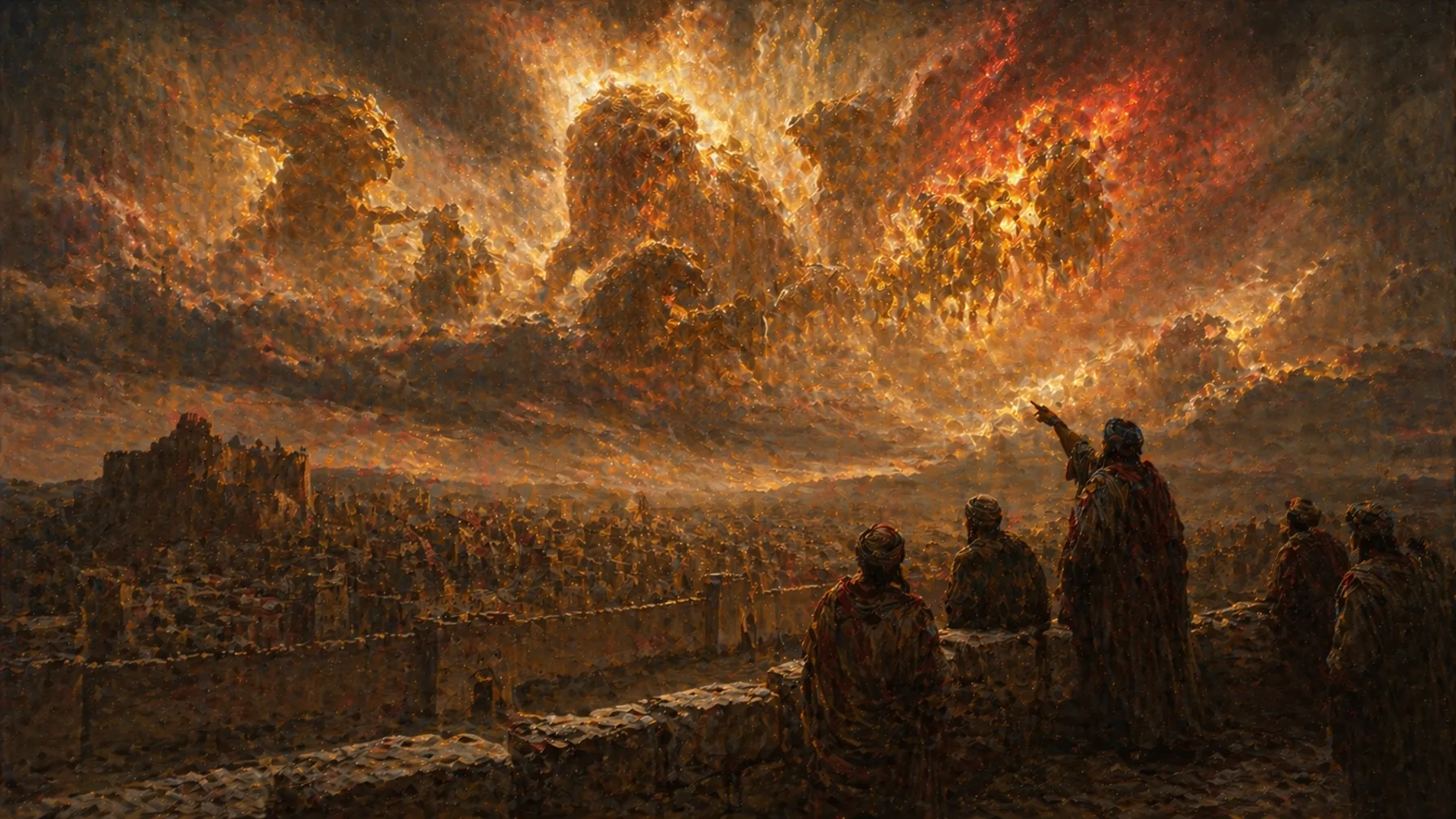
Reading Apocalyptic
Apocalyptic means unveiling, not prediction. How to trace Revelation's symbols back to Daniel, and why reading it flatly backfires.
7 min read
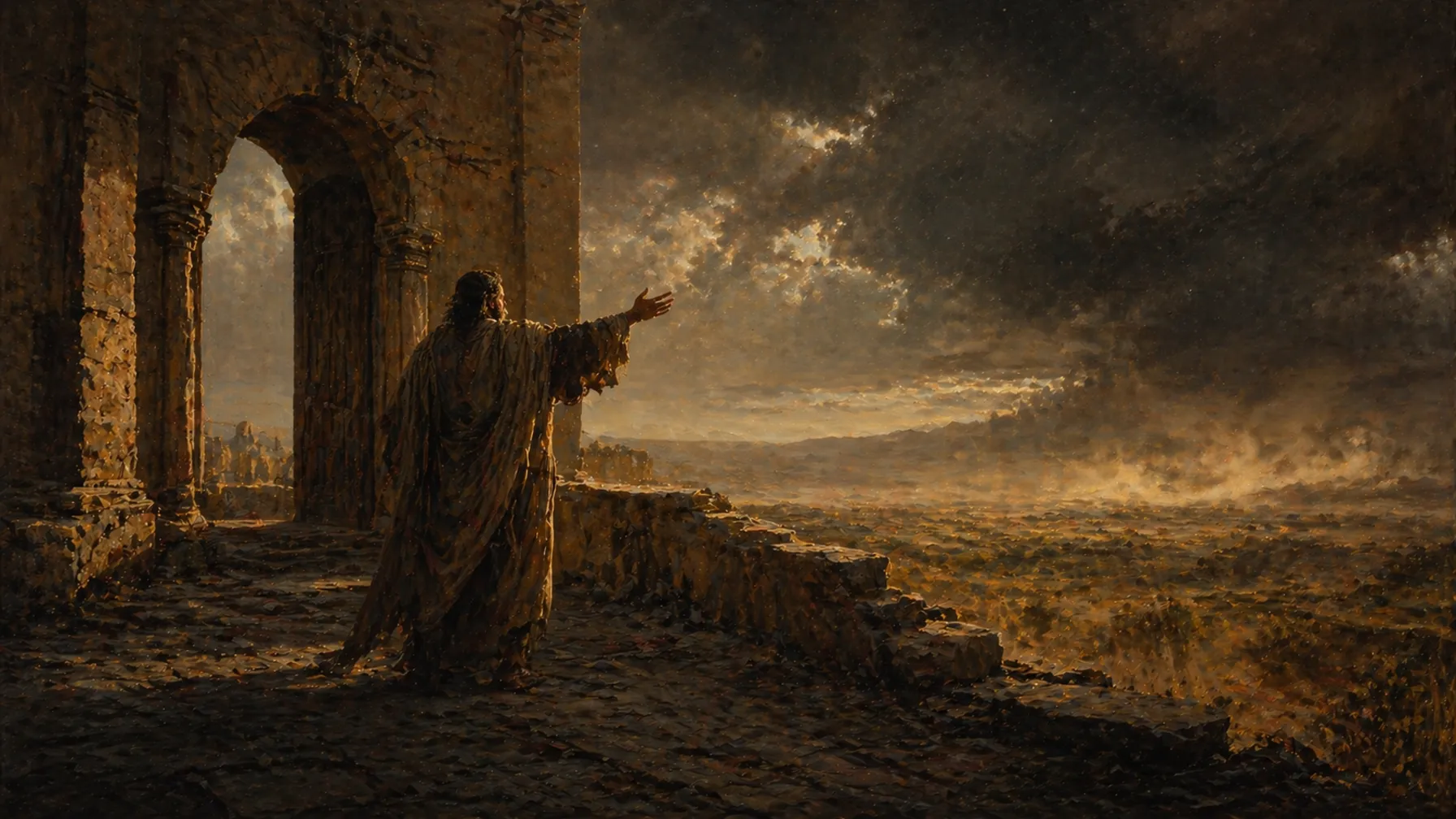
Prophets as covenant voice
Roughly eighty percent of prophetic material addresses its own moment, not the future. Why the prophets are prosecutors before they are predictors.
6 min read
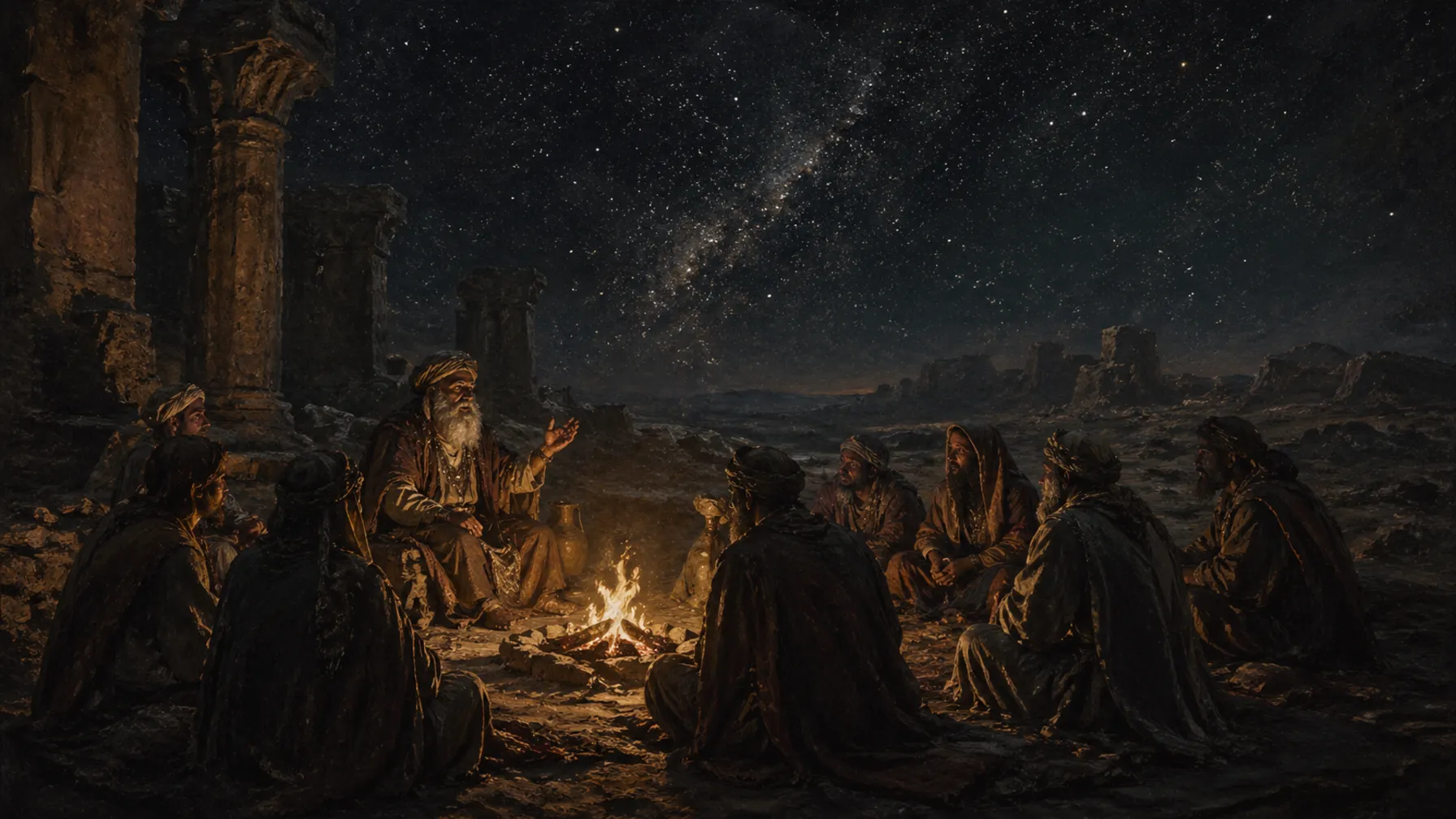
Narrative as revelation
Nathan told David a story instead of stating the charge. What biblical narrators do with inclusion, omission and order, and how to read for it.
6 min read
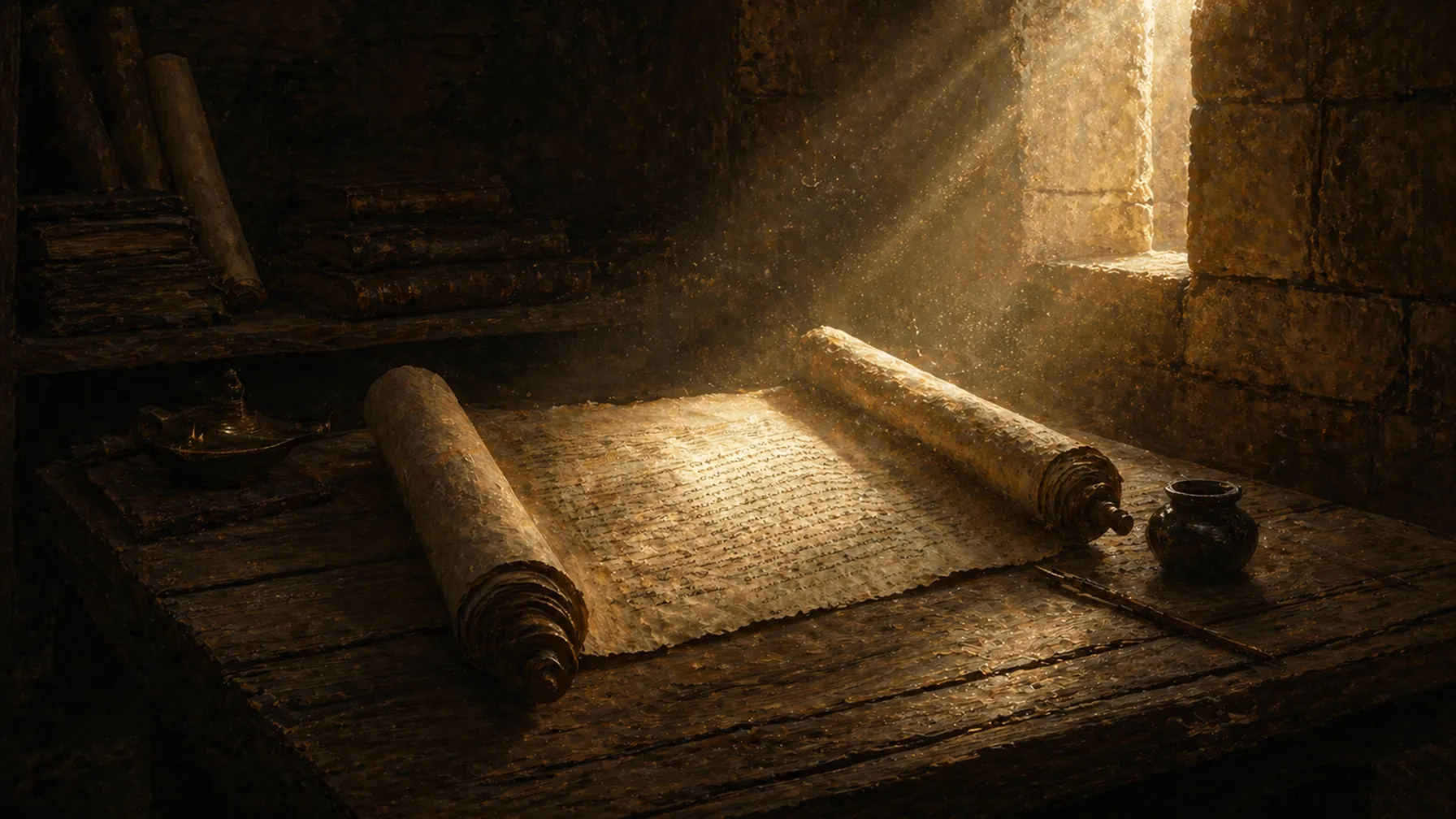
What Does It Mean That Scripture Is God-Breathed?
2 Timothy 3:16 calls Scripture theopneustos, God-breathed. What that claims, what it does not, and why dual authorship strengthens confidence.
7 min read
How Was the Bible Canon Decided?
Nicaea did not vote on the Bible. What actually happened, the criteria the church used, and why the real history reassures.
6 min read
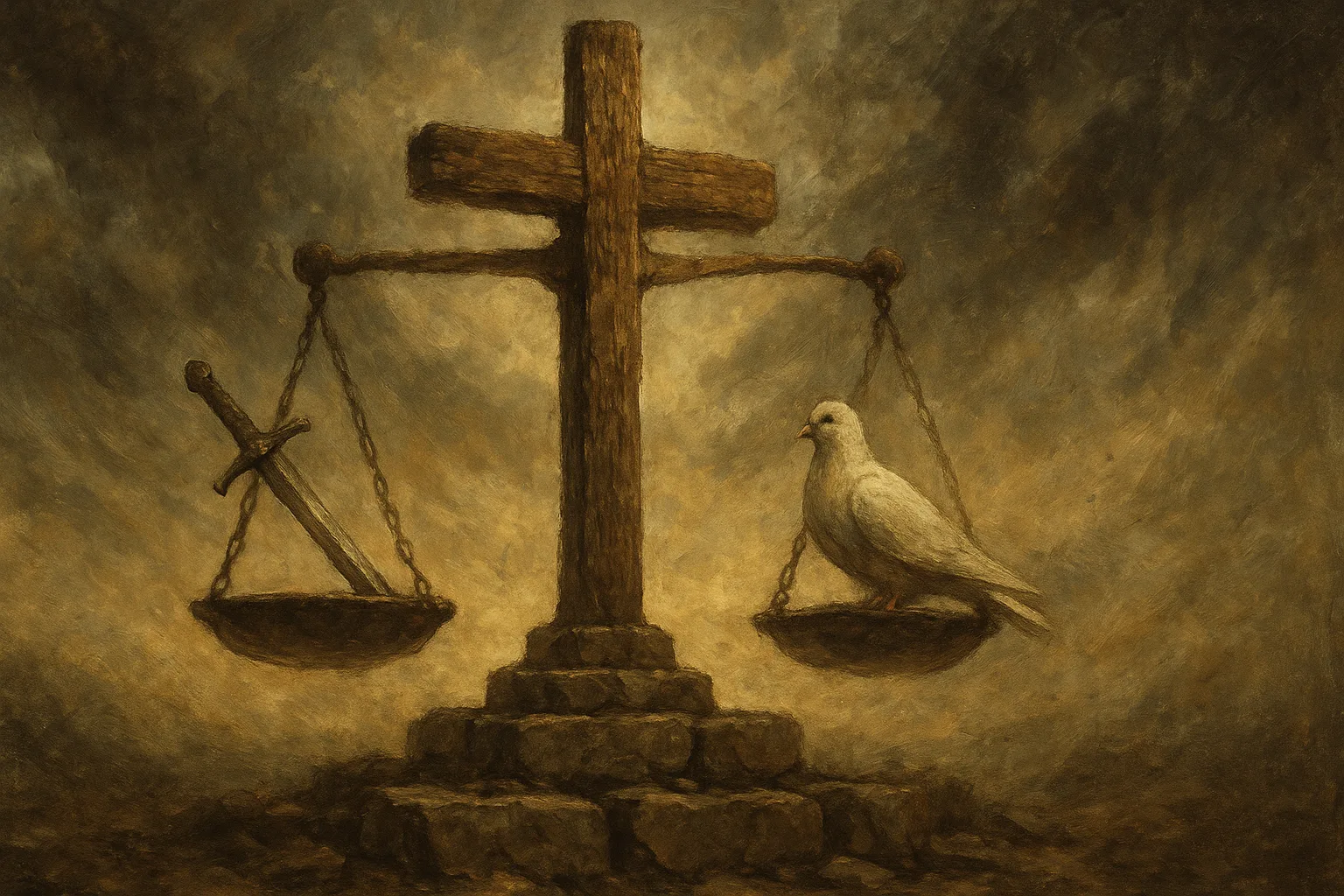
Gospel Equilibrium
Lose the cross at the center and the gospel tilts: moralism on one side, sentimentality on the other. Why the balance has to be relearned.
4 min read

Exile and Return
The Bible opens on a closed gate and closes on God dwelling with people. How exile and return shape the story from Genesis 3 to Revelation 21.
4 min read
Covenant as Spine
Noah, Abraham, Sinai, David, and the new covenant. The thread that turns 66 separate books into one story moving in a single direction.
5 min read

Authority and Inerrancy
Inerrancy asks whether Scripture is free from error. Authority asks whether it gets the last word. Why the second is the pastoral question.
6 min read