
Following Jesus means more than agreeing with his teaching. A disciple trusts Jesus as Lord, learns his whole way of life, and accepts that obedience may be costly. That obedience does not purchase salvation. It grows from Christ's saving call and is sustained by abiding in him.
Peter and Andrew were not looking for a new religious hobby when Jesus met them beside the Sea of Galilee. They were working. Nets, boats, and the family trade gave shape to their days. Then Jesus said, "Come, follow Me, and I will make you fishers of men" (Matt 4:19). Matthew says they left their nets at once.
That scene gives us the basic shape of discipleship. Jesus calls. People trust him enough to follow. As they stay with him, he remakes them for his purposes. Christian discipleship is not self-improvement with Jesus added as inspiration. It is life under a new Lord.
The call begins with Jesus
In the ancient world, students often sought a teacher. In the Gospels, Jesus takes the initiative. He calls fishermen, a tax collector, political opposites, and people without impressive religious credentials. The authority lies with the caller, not with the qualifications of those called.
That protects discipleship from pride. Peter could not later say that Jesus chose him because he saw unusual spiritual promise. The Gospels are candid about the disciples' confusion, fear, rivalry, and failure. They follow by grace, and so do we.
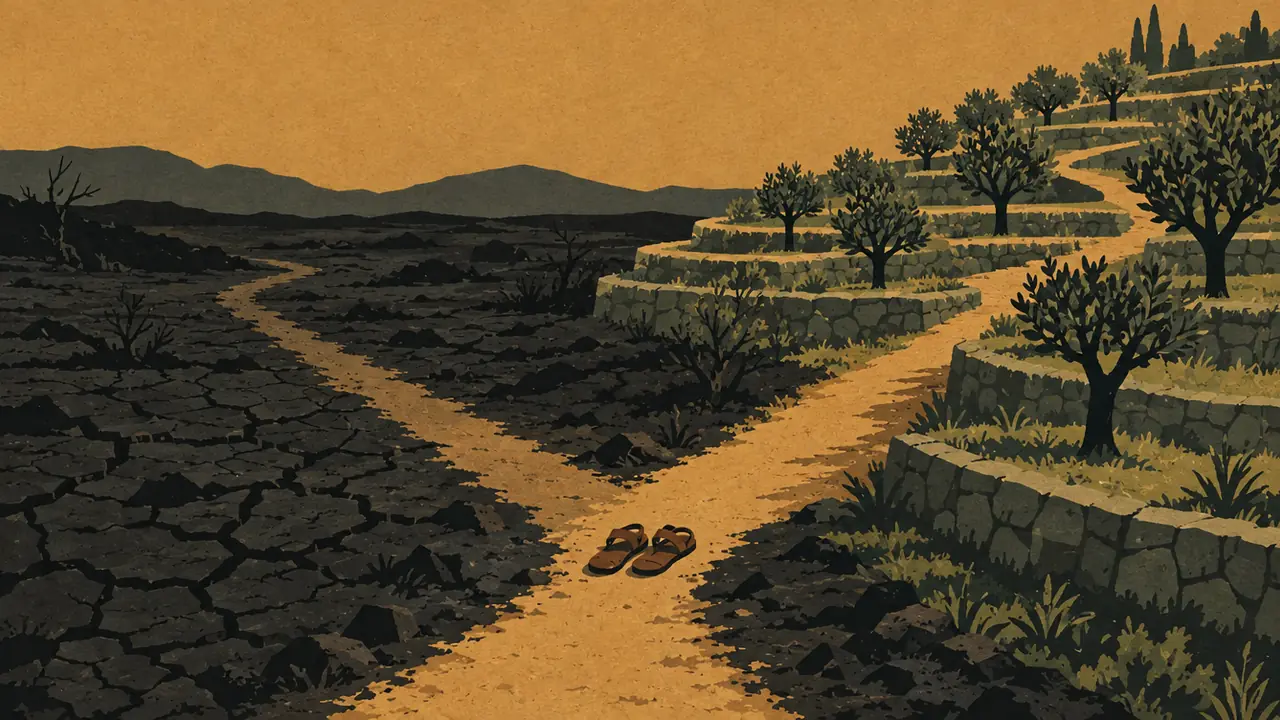
The first response is therefore not achievement but trust. When Jesus announces that God's kingdom is near, he says, "Repent and believe in the gospel" (Mark 1:15). Repentance turns from rival masters. Faith entrusts us to the good news that God's king has come. Following Jesus grows from that turn.
A disciple learns a whole way of life
To follow a rabbi meant more than agreeing with his ideas. The disciples walked with Jesus, watched how he treated the overlooked, listened as he opened the Scriptures, and joined his work. He taught them to pray, sent them to announce the kingdom, corrected their ambition, and received them after failure.
This is why the word disciple is helpful. A disciple is a learner whose formation reaches beyond a classroom. Jesus forms judgment, habits, loyalties, relationships, and mission. He does not ask for one private corner of life. John Stott puts the point plainly in his work on discipleship: Jesus sets the agenda, and his followers do not reserve the right to select only what feels convenient.
That does not mean every Gospel command is applied without attention to context. Jesus spoke before and after the cross, addressed crowds and apostles, and sometimes gave a command to one person that was not a universal rule. Good disciples listen carefully. They do not weaken difficult words, but neither do they turn every scene into a law for everyone.
The cross is part of the road
After Peter confesses that Jesus is the Christ, Jesus begins teaching that he will suffer, be rejected, die, and rise. Peter resists. Jesus then calls the crowd and says, "If anyone wants to come after Me, he must deny himself and take up his cross and follow Me" (Mark 8:34).
Self-denial is not contempt for the body or personality. It is the refusal to make self-preservation the highest good. In Roman Palestine, a cross was not a piece of jewelry. It signaled shame, loss, and death under imperial power. Jesus tells the truth about where allegiance to him may lead.
The command must also remain attached to Jesus' own cross. We do not save ourselves by suffering. Mark later says that the Son of Man came "to give His life as a ransom for many" (Mark 10:45). His self-giving comes first. Our costly obedience is a response to his saving work, never a payment for it.
Following is sustained by abiding
It is possible to hear costly language and imagine that discipleship runs on willpower. Jesus gives another image in John 15: "I am the vine and you are the branches." A branch bears fruit by remaining in the vine. "Apart from Me you can do nothing" (John 15:5).
Following Jesus therefore includes staying near him through Scripture, prayer, the fellowship of the church, confession, and the Lord's Supper. These practices do not earn life. They keep placing us where Christ's words address us and his grace meets us.
The first disciples stumbled repeatedly, but Jesus kept teaching them. Peter denied him and was restored. Thomas doubted and was answered. Discipleship is costly, but it is not fragile. Its hope rests in the patience and presence of the one being followed.
Take the next faithful step
Read Mark 8:27-38 slowly. Notice what Peter wants from Jesus and what Jesus says must come first. Then name one part of life where you want Jesus' help but have resisted his authority. Do not manufacture a dramatic sacrifice. Bring that specific place into prayer, and choose the next act of obedience the text requires.
Jesus' call is not merely "believe that I exist." It is "follow Me." The road is demanding because he is Lord, and hopeful because the Lord who calls also walks with his people.
Sources
- Matthew 4:18-22; Mark 8:34-38; John 15:1-11 · The primary biblical passages discussed
- Tyndale Open Study Notes · Passage context and accessible evangelical commentary
- John Stott, The Radical Disciple · Interpretive and pastoral cross-check
Terms in this article
Every passage each one appears in, with the definition attributed to its source.
Keep reading
Teachings of Jesus
Repent and Believe
Jesus joins repentance and faith as one turn from rival masters toward the good news of God's kingdom.
Teachings of Jesus
Love God and Your Neighbor
Jesus says love for God and neighbor holds the law together, without turning either command into a vague feeling.

Teachings of Jesus
When You Pray
Jesus teaches prayer as honest dependence on the Father, ordered around God's name, kingdom, provision, and mercy.


