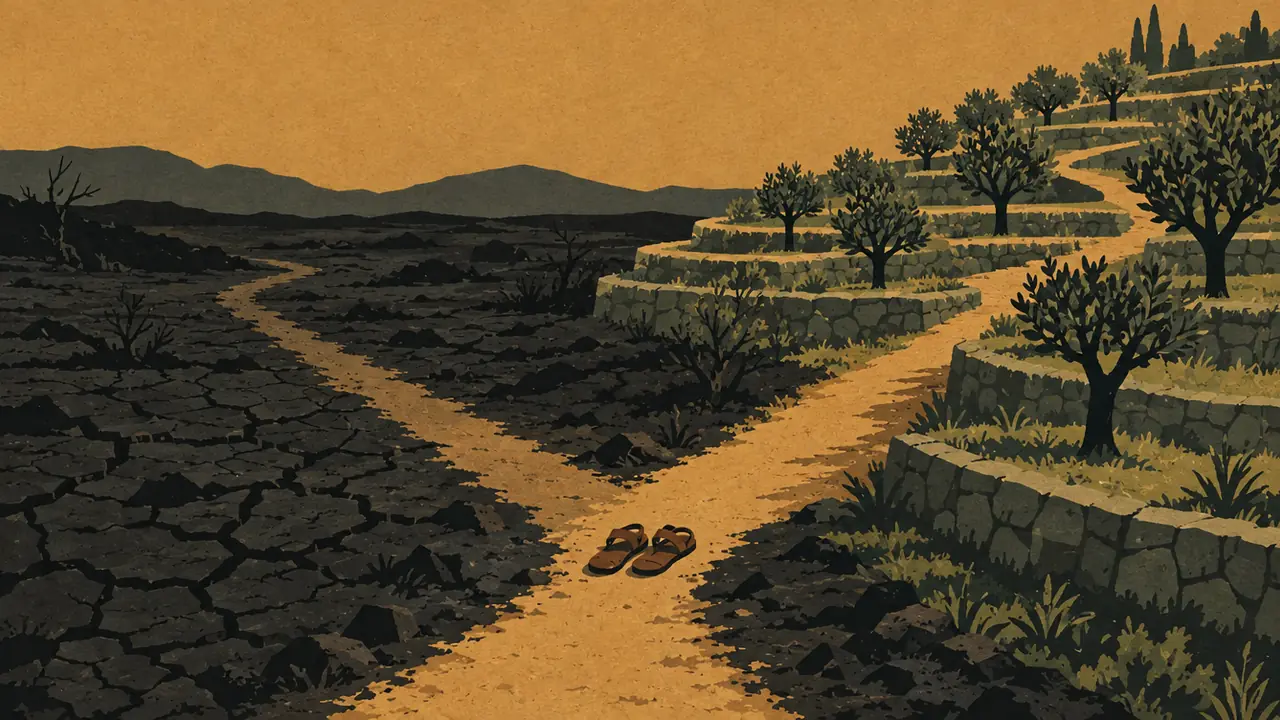
When Jesus says, 'Repent and believe,' he describes one decisive turn. Repentance turns from sin and rival masters, while faith entrusts us to Jesus and his gospel. Neither remorse nor self-repair saves. Jesus receives sinners by grace and calls them into a changed life under God's reign.
Mark summarizes the opening of Jesus' public ministry in one announcement: "The time is fulfilled, and the kingdom of God is near. Repent and believe in the gospel!" (Mark 1:15). Before Jesus gives ethical instruction, he announces news. God's promised reign has drawn near in the king himself. Repentance and faith are the fitting response.
Those two words have sometimes been pulled apart. Repentance can be made to sound like cleaning yourself up before God will receive you. Faith can be reduced to agreeing with facts while life continues unchanged. Jesus holds them together as one turn.
Repentance means changing direction
The Greek word often translated repentance, metanoia, involves a changed mind, but the biblical idea is larger than an intellectual adjustment. The prophets called Israel to return to the Lord. Roads, loyalties, desires, and practices had to change because the people were turning back to God.
Jesus continues that call. He eats with tax collectors and sinners, explaining that he has come to call sinners to repentance (Luke 5:32). His welcome does not pretend their lives are harmless. His call does not wait until they are respectable. Grace meets people where they are and turns them toward a new master.
Repentance therefore includes honest confession, grief over sin, and concrete change where restitution is possible. But emotion alone is not the measure. Some people feel intense shame without turning toward God. Others return with few words and a trembling trust. The key question is not, "Did I feel bad enough?" It is, "Am I bringing my sin into God's light and turning toward him?"
Faith receives the good news
To believe the gospel is to entrust yourself to the person and promise it announces. Jesus does not say only, "Believe that a kingdom exists." He calls people to trust him as the one through whom God's saving reign arrives.
The Gospels show faith in motion. Friends lower a paralyzed man through a roof because they believe Jesus can help. A woman reaches for his garment. A Roman officer trusts his word from a distance. Faith may be strong or desperate, but it looks away from its own worthiness and toward Jesus.
This keeps repentance from becoming self-rescue. We do not repair ourselves and then present the finished work to God. We come because Christ is merciful. The tax collector in Jesus' parable can barely raise his eyes. He says, "God, have mercy on me, a sinner!" Jesus says that this man went home justified rather than the religious man who recited his achievements (Luke 18:13-14).
The kingdom gives repentance its horizon
Repentance is not merely turning away from isolated bad habits. Jesus announces the kingdom of God. Every rival claim to rule comes into view: money, status, resentment, sexual desire, national pride, self-protection, and religious performance.
This broader horizon also makes repentance hopeful. Jesus is not asking people to empty their lives and remain vacant. He calls them into God's reign, where sinners are forgiven, enemies become family, the poor hear good news, and the Spirit begins making people new.
Luke 15 shows this hope through three stories of what was lost being found. The shepherd seeks a sheep, a woman searches for a coin, and a father runs to meet a returning son. Heaven rejoices over repentance because repentance is a homecoming, not a humiliation ritual.
Repentance continues after conversion
Jesus' first call is decisive, but Christians do not graduate from repentance and faith. Churches in Revelation are told to repent. Believers confess sin and again receive God's cleansing (1 John 1:9). The life of faith repeatedly turns from false refuge toward Christ.
This should make Christian communities unusually honest. We do not need to protect an image of having arrived. Confession becomes possible because our standing rests in Christ rather than our record. At the same time, grace does not make change optional. John the Baptist called for fruit consistent with repentance, and Jesus likewise expects a turned life to begin walking a new road.
Name the turn
Read Luke 18:9-14. Notice where the Pharisee looks for confidence and where the tax collector looks. Then name one specific sin without softening it or turning it into your entire identity. Confess it to God. Where another person has been harmed, consider what honest apology, restitution, or changed practice is needed.
Then put the weight of your hope where Jesus puts it: on the mercy of God and the good news of his kingdom. Repentance and faith are not competing steps. They are the movement of a person who turns from a false road because Christ has opened the way home.
Sources
- Mark 1:14-15; Luke 5:27-32; Luke 15:1-32; Luke 18:9-14 · The primary biblical passages discussed
- Tyndale Open Study Notes · Passage context and accessible evangelical commentary
- Darrell L. Bock and Benjamin I. Simpson, Jesus according to Scripture · Interpretive and pastoral cross-check
Terms in this article
Every passage each one appears in, with the definition attributed to its source.
Keep reading

Teachings of Jesus
Following Jesus
Following Jesus means trusting his saving call, learning his whole way of life, and living under his authority by grace.

Teachings of Jesus
Love God and Your Neighbor
Jesus says love for God and neighbor holds the law together, without turning either command into a vague feeling.

Teachings of Jesus
When You Pray
Jesus teaches prayer as honest dependence on the Father, ordered around God's name, kingdom, provision, and mercy.


