Jesus teaches his disciples to pray to the Father without performance or empty repetition. The Lord's Prayer begins with God's name and kingdom, then asks for daily provision, forgiveness, and deliverance. Persistent prayer is confident dependence on God's character, not a technique for forcing a preferred outcome.
The disciples had heard prayers all their lives. They knew the Psalms, the synagogue, and the prayers spoken at meals and festivals. Yet after watching Jesus pray, one of them said, "Lord, teach us to pray" (Luke 11:1). Something about his relationship with the Father made familiar words feel newly alive.
Jesus answered with a pattern, warnings, stories, and his own example. He did not offer a technique for securing any outcome we want. He taught his followers to come to the Father, seek the kingdom, ask for daily needs, receive mercy, extend mercy, and depend on God through testing.
Pray before an audience of one
In Matthew 6, Jesus warns against praying "to be seen by men." Public prayer is not the problem. Jesus prayed where others could hear, and the early church prayed together. The problem is performance, when words addressed to God are really aimed at building a reputation.
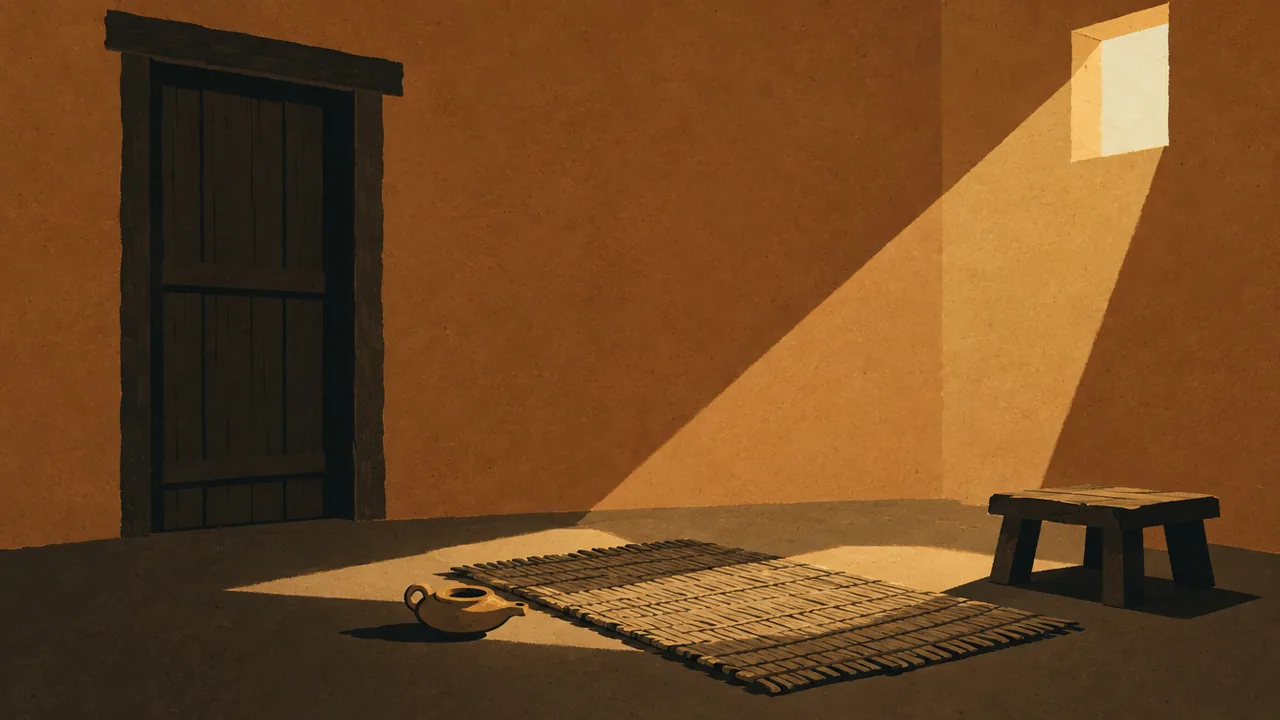
Jesus sends the performer into a private room: "Shut your door, and pray to your Father, who is unseen" (Matt 6:6). The closed door exposes the heart. If no one is impressed, is God himself enough?
He also warns against empty repetition. This is not a ban on repeated prayer. Jesus repeats himself in Gethsemane and tells stories encouraging persistence. He opposes the idea that many words pressure God into listening. "Your Father knows what you need before you ask Him" (Matt 6:8). Prayer begins with God's knowledge and fatherly care, not his reluctance.
Let the Lord's Prayer set the order
"Our Father in heaven" holds intimacy and reverence together. Jesus gives his disciples the privilege of addressing God as Father without making God casual or manageable. The word "our" also keeps prayer from becoming purely private. We come as members of a people.
The first requests concern God's name, kingdom, and will. Prayer reorders our desires before it presents our plans. "Your kingdom come, Your will be done, on earth as it is in heaven" (Matt 6:10) asks for God's good rule to become visible in the world and in us.
Then Jesus teaches ordinary dependence: daily bread, forgiveness, and deliverance. Nothing is too material for prayer. Food belongs there. Nothing is too moral for prayer. Our debts and temptations belong there too. The pattern moves naturally between God's glory and human need because the Father cares about both.
Ask with confidence, not control
In Luke 11, Jesus follows the prayer with a story about a friend asking for bread at midnight. He then says, "Ask, and it will be given to you; seek, and you will find; knock, and the door will be opened to you" (Luke 11:9).
These words encourage boldness, but they are not a blank check. The passage ends with the Father giving the Holy Spirit. Matthew's parallel speaks of good things. A good father does not hand a child something destructive simply because the child asks intensely. Christian prayer trusts both God's generosity and his wisdom.
Jesus' own prayer in Gethsemane gives the mature pattern: he names what he desires and submits that desire to the Father's will. "Not as I will, but as You will" is not unbelief. It is faith refusing to make God a servant of our preferred outcome.
Persist without pretending
Jesus tells of a widow who keeps appealing to an unjust judge. Luke introduces the story as a lesson about the need "to pray at all times and not lose heart" (Luke 18:1). God is not like the unjust judge in character. If persistence finally moves someone unjust, how much more can God's children trust their righteous Father to hear?
Persistence is not a way to wear God down. It is a way hope keeps turning toward him while an answer is delayed. The Psalms show that faithful prayer can include lament, confusion, protest, praise, silence, and thanksgiving. Honest prayer does not need to sound polished.
Sometimes God's answer changes circumstances. Sometimes it changes the person praying. Often it does both over time. And sometimes Christians continue asking while carrying a grief that has not been resolved. Jesus does not shame that waiting. He teaches perseverance within relationship.
Begin with the words Jesus gave
Pray Matthew 6:9-13 slowly. Pause after each request. Under "daily bread," name the need you are tempted to hide. Under forgiveness, confess a real wrong and bring before God the person you struggle to forgive. Under the kingdom, ask where your priorities resist the Father's will.
The Lord's Prayer is short enough for a child and deep enough to shape a lifetime. It does not give us leverage over God. It gives us words for living before him as beloved, dependent, forgiving, and hopeful children.
Sources
- Matthew 6:5-15; Luke 11:1-13; Luke 18:1-8 · The primary biblical passages discussed
- Tyndale Open Study Notes · Passage context and accessible evangelical commentary
- John Stott, The Message of the Sermon on the Mount · Interpretive and pastoral cross-check
Terms in this article
Every passage each one appears in, with the definition attributed to its source.
Keep reading

Teachings of Jesus
Following Jesus
Following Jesus means trusting his saving call, learning his whole way of life, and living under his authority by grace.
Teachings of Jesus
Repent and Believe
Jesus joins repentance and faith as one turn from rival masters toward the good news of God's kingdom.

Teachings of Jesus
Love God and Your Neighbor
Jesus says love for God and neighbor holds the law together, without turning either command into a vague feeling.


